
The hormone type 6 diet and exercise plan are specially made to meet the special requirements of those who are imbalanced in this hormone. A certain hormonal composition known as hormone type 6 can impact how our body burns calories and regulates weight.
People can enhance their general health and well-being by understanding how hormone type 6 functions in the body and adhering to a personalized diet and exercise regimen. The goal of this article is to examine the relationship between hormone type 6 and weight control.
It also covers the significance of diet, efficient workout regimens, modifying one’s lifestyle, and monitoring one’s development. By adhering to the hormone diet and exercise regimen, people can begin a journey towards better health and balance with the aid of this useful guidance.
What is Hormone Type 6?
Have you ever wondered why some diets and exercise plans work wonders for your friends but seem to have no effect on you? Well, it turns out that hormones might just be the culprit. Hormone Type 6, in particular, can greatly impact your weight loss and management journey.
The Impact of Hormone Type 6 on Weight Management
Hormone Type 6 refers to a specific hormonal profile that can affect how your body handles weight and metabolism. If you fall into this category, you may find it more challenging to lose weight or maintain a healthy weight compared to others. But fear not! With the right understanding and approach, you can still achieve your weight goals.
Importance of Hormonal Balance
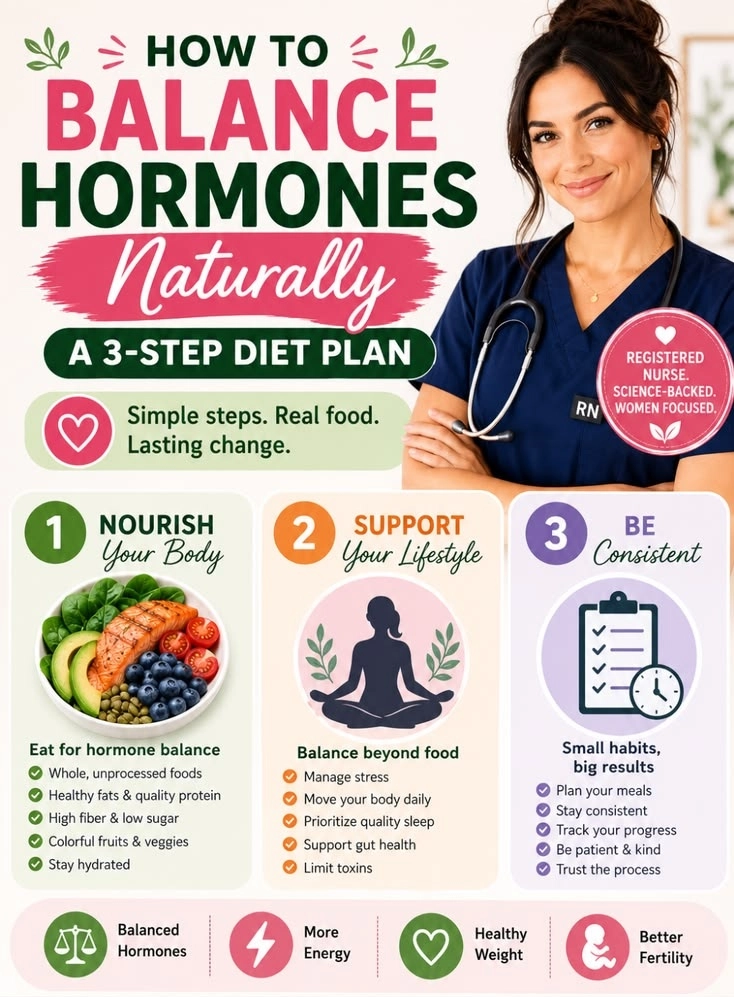
Hormonal balance is essential for many aspects of health, such as energy levels, mood, and metabolism. Unbalanced levels of hormones, such as cortisol, can cause persistent weariness, weight gain, and sleep difficulties.
People can strive towards restoring hormonal balance by adhering to a diet and exercise regimen tailored to their specific hormone levels which will benefit their general health.
Understanding the Role of Hormone Type 6 in Weight Management
The Function of Hormone Type 6 in the Body
Hormone Type 6, also known as the “weighty hormone,” plays a crucial role in regulating your metabolism and fat storage. It’s like the supervisor of the fat-burning and storage process in your body, making sure things stay in balance. However, for those with Hormone Type 6, this balancing act can be a bit trickier to maintain.
How Hormone Type 6 Affects Metabolism and Weight
When Hormone Type 6 is not functioning optimally, it can lead to a slower metabolism and increased fat storage, making it harder to shed those extra pounds.
This hormonal profile can also impact your hunger and cravings, making it more challenging to resist tempting treats or stick to a healthy eating plan.
Symptoms and Effects of Hormone Type 6
Unbalanced cortisol levels can cause a range of symptoms, including:
- Gaining weight, especially in the abdomen
- Prolonged exhaustion and trouble awakening
- Problems with sleep or insomnia
- Heightened hunger and cravings, particularly for carbs and sugar
- Reduced immunity and recurrent infections
A Hormone Type 6 diet and exercise regimen can help address these symptoms and lessen the harmful effects of cortisol imbalance.
The Importance of Diet for Hormone Type 6
Nutritional Considerations for Hormone Type 6
While Hormone Type 6 might pose some challenges, a well-balanced diet can help you navigate this hormonal territory. It’s important to focus on nourishing your body with nutrient-dense foods that support hormonal balance and optimize metabolism.
Key Food Groups to Focus on for Hormone Type 6 Balance
Consume a diet rich in fruits, vegetables, whole grains, lean proteins, and healthy fats to help promote Hormone Type 6. These food types give you the nutrients you need and satisfy your hunger which helps you resist cravings and keep your blood sugar levels steady.
Designing a Hormone Type 6-Friendly Meal Plan
Creating a Well-Balanced Hormone Type 6 Diet
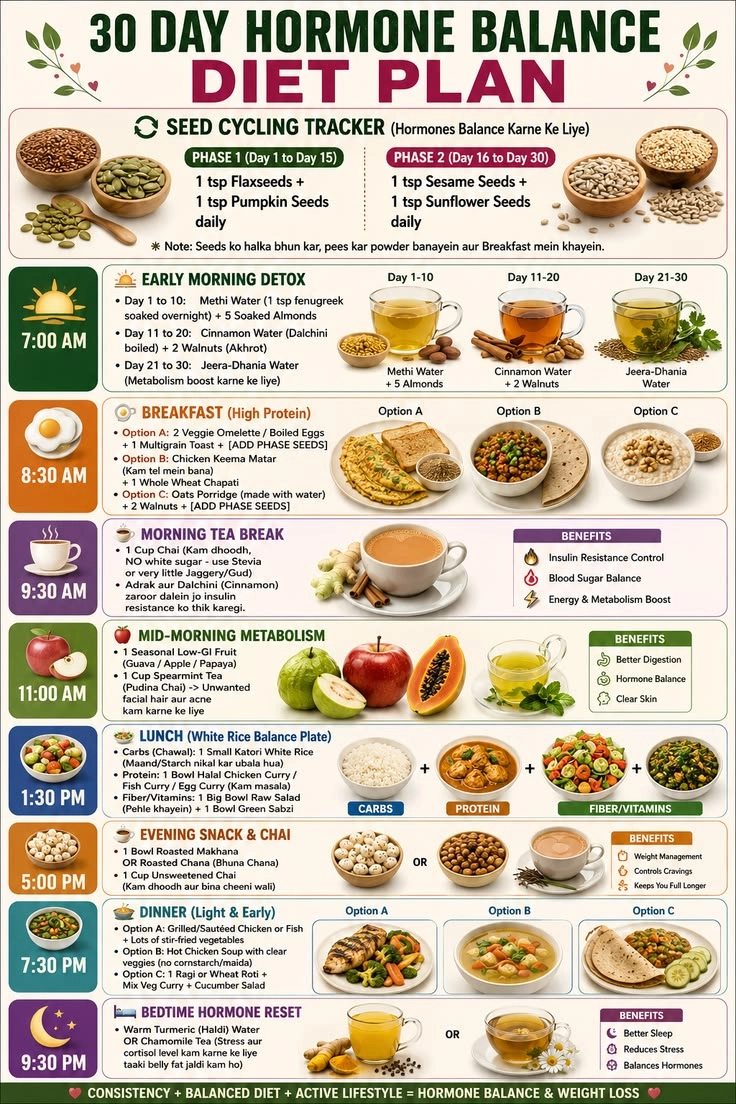
When designing a meal plan for Hormone Type 6, aim for a well-balanced approach. Include a mix of proteins, complex carbohydrates, and healthy fats in each meal to keep your hormones happy. Don’t forget to add plenty of fiber-rich foods too, as they can help regulate digestion and support weight management.
Meal Planning Tips and Strategies
To make meal planning easier, try prepping your meals in advance. Cook larger batches of healthy recipes and portion them out for the week. This way, you can stay on track even on busy days when time seems to fly by faster than a pizza delivery. Remember, a little planning goes a long way when it comes to Hormone Type 6 and weight management.
So, embrace your Hormone Type 6 and take charge of your weight management journey with a balanced diet and exercise plan tailored to your hormonal profile. You got this!
Hormones and Weight Gain
Unwanted weight gain can result from imbalanced cortisol levels which make it difficult to regulate weight. It may be more difficult to lose weight when cortisol levels are elevated because they can stimulate appetite and encourage the storage of belly fat.
A customized diet and exercise plan, along with an emphasis on hormone balance, can help people reach their weight loss objectives and improve their general health.
Effective Exercise Strategies for Hormone Type 6
The Role of Exercise in Hormone Type 6 Management
Exercise is not just about fitting into those skinny jeans or getting a six-pack. For those with Hormone Type 6, exercise plays a crucial role in managing hormonal balance. The right exercise routines can help regulate insulin levels, boost metabolism, and improve overall well-being.
Best Types of Exercises for Hormone Type 6
It all boils down to figuring out what kind of exercise is right for you and your body. Strength training, stress-relieving activities, and aerobic exercises can all have a major effect on Hormone Type 6. Mix it up, then! Take HIIT classes, use weights, go for quick walks, or attend yoga. Recall that the secret is to choose physical activities you will enjoy and be able to maintain over time.
Lifestyle Modifications to Support Hormone Type 6 Balance
Sleep, Stress, and Hormone Type 6
Getting enough sleep and managing stress are fundamental lifestyle modifications for anyone, but they are especially crucial for Hormone Type 6 individuals. Lack of sleep and chronic stress can wreak havoc on your hormones, leading to weight gain, mood swings, and other unwanted symptoms.
So, prioritize quality sleep, practice stress-management techniques like meditation or deep breathing, and make time for activities that bring you joy.
Other Lifestyle Factors to Consider
Maintaining a healthy lifestyle goes beyond just diet and exercise. Hormone Type 6 individuals should pay attention to other factors that can impact their overall hormonal balance. Avoid exposure to environmental toxins, such as harmful chemicals in cleaning products or beauty products. Maintaining a healthy weight, staying hydrated, and reducing alcohol and caffeine intake are also important considerations.
Monitoring Progress and Adjusting the Diet and Exercise Plan
Tracking Your Results and Assessing Progress
Tracking your progress is critical for staying on top of your Hormone Type 6 journey. Keep track of your workouts, notice any changes in your energy or mood, and take body measurements. This will help you to assess your progress and highlight any areas that want improvement.
Modifying the Diet and Exercise Plan for Optimal Results
Your diet and exercise regimen may need to be adjusted as your body changes and responds. Don’t be scared to make changes along the route. If you aren’t getting the desired outcomes, speak with a healthcare practitioner or a qualified dietitian to fine-tune your approach. Remember, it’s all about figuring out what works best for you and your specific hormonal needs.
Dietary Recommendations
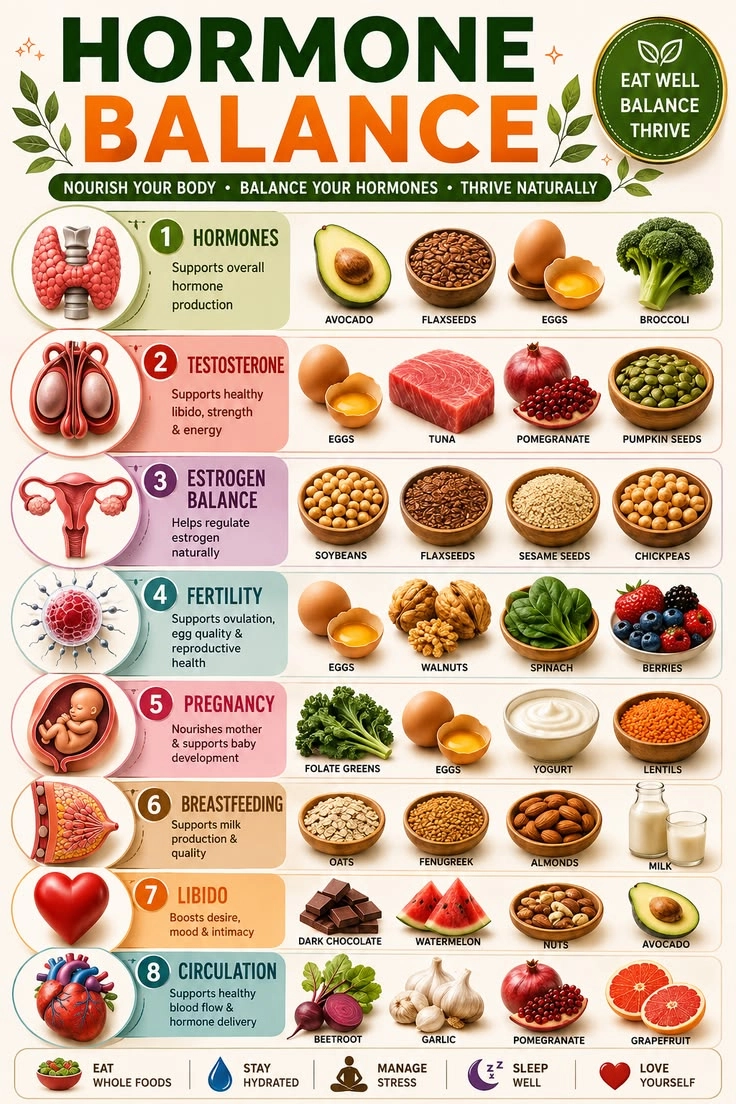
To attain ideal hormonal balance, a Hormone Type 6 diet and exercise regimen must include a wide range of healthful foods. Vegetables, fruits, lean meats, healthy fats, and whole grains are all important components of a well-rounded diet.
Eating a variety of vibrant fruits and vegetables is crucial to ensuring a sufficient intake of vital nutrients. These foods assist in maintaining healthy digestion and hormone balance since they are high in vitamins, minerals, and fiber. Leafy greens, berries, and legumes in particular are great options.
Fish, chicken, and eggs are examples of lean proteins that are high in necessary amino acids but low in saturated fat, which is good for hormone balance. Consuming seafood high in omega-3s, such as salmon, helps promote hormonal balance and aid lower inflammation.
The synthesis of hormones depends critically on healthy lipids. Make sure to include fats from foods like olive oil, nuts, seeds, and avocados. These fats have the potential to reduce cravings and stabilize blood sugar.
Choose complex carbs like whole grains, legumes, and starchy vegetables over refined sugars and processed foods to keep your blood sugar and energy levels steady. By regulating insulin and cortisol levels, these dietary selections can further promote hormonal balance.
Reduce your intake of alcohol and caffeine to prevent hormone abnormalities from getting worse. Instead, to stay hydrated and encourage detoxification, opt for herbal teas and water.
Although a well-balanced diet should offer adequate nutrients, certain people may benefit from taking vitamins and minerals as supplements, as advised by a nutritionist or other healthcare provider.
Finally, it’s critical to minimize or stay away from processed dairy products, sugar, fried foods, and artificial sweeteners. These products can exacerbate hormonal imbalances and inflammation, which makes the Hormone Type 6 diet and exercise regimen less effective.
Managing Hormone Type 6 doesn’t have to be a daunting task. With the right diet, exercise, and lifestyle modifications, you can achieve optimal well-being and hormonal balance. Embrace a variety of exercises that you enjoy, prioritize sleep, manage stress, and make other necessary lifestyle changes. And most importantly, be patient with yourself. Remember, Rome wasn’t built in a day, and neither is a balanced hormone level.
Keep up the good work and listen to your body. The hormone type 6 diet and exercise regimen can have a significant impact on your general well-being.
You may take control of your health by understanding the role of hormone type 6 in weight management and implementing a customized meal plan, engaging in effective exercise routines, making lifestyle changes, and tracking progress. Remember that attaining optimal well-being is a journey that takes commitment and consistency.
You may unleash the potential of your body’s hormonal balance and go on a path to a better and happier life with the hormone type 6 diet and exercise plan as your guide.
| Focus area | Action | Why it helps |
|---|---|---|
| Diet | Whole, unprocessed foods | Steadier blood sugar |
| Protein | Lean sources each meal | Satiety and muscle preservation |
| Exercise | Strength plus zone-2 cardio | Better insulin sensitivity and metabolism |
| Sleep | 7-8 hours nightly | Hormone regulation |
| Stress | Recovery and mindfulness | Lower cortisol |
A hormone type 6 plan works best when you pair balanced, whole-food meals with regular strength and cardio training, then keep your sleep and stress in check. Consistency beats perfection, and a professional can help you tailor portions to your own lab results.






Leave a Comment