
It has long been known that breathing techniques are an effective way to lower anxiety and improve general well-being. Stress and anxiety levels are skyrocketing in today’s fast-paced society, so learning appropriate coping mechanisms is crucial. Fortunately, the answer can be as easy as inhaling deeply.
Through the practice of mindfulness and targeted breathing exercises, we may reduce our heart rate and blood pressure and foster a state of relaxation. By triggering the body’s relaxation response, these activities assist in balancing the fight-or-flight reaction that frequently accompanies worry.
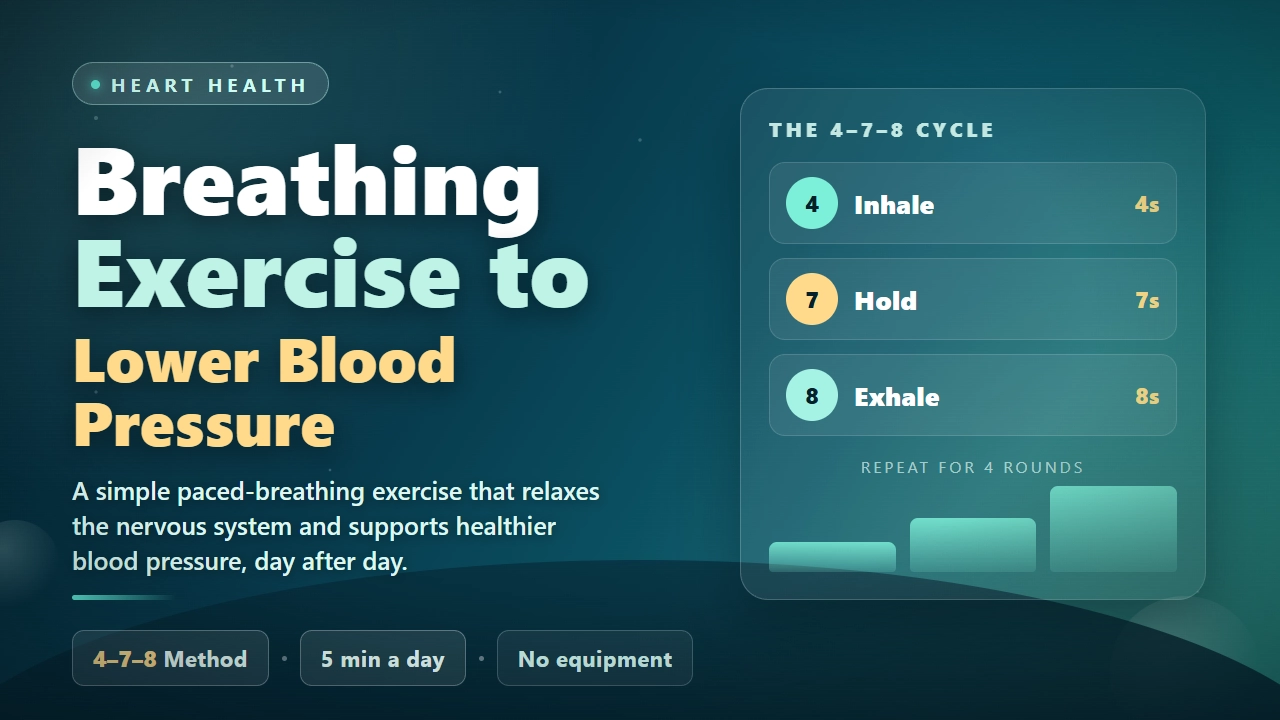
Deep belly breathing (also known as diaphragmatic breathing) is a popular breathing exercise. Breathing gently and deeply until the lungs are full and then slowly expelling are the steps in this method. Four counts of inhalation, seven counts of holding the breath, and eight counts of exhalation make up the 4-7-8 breathing method, which is another useful technique.
Incorporating these breathing exercises into our daily routine can have a profound impact on our well-being. Whether used as a standalone practice or in conjunction with other anxiety management strategies, breathing exercises offer a simple and accessible way to find peace and serenity amidst life’s chaos.
The link between anxiety and breathing
Anxiety is a common mental health condition that affects millions of people worldwide. It is characterized by persistent worry, fear, and unease, often accompanied by physical symptoms such as rapid heartbeat, shortness of breath, and muscle tension. When we experience anxiety, our body’s sympathetic nervous system is activated, triggering the “fight-or-flight” response. This physiological response prepares us to face perceived threats or danger.
One of the key symptoms of anxiety is shallow and rapid breathing. This shallow breathing pattern disrupts the balance of oxygen and carbon dioxide in our body, leading to increased heart rate, blood pressure, and muscle tension. It also sends signals to our brain that something is wrong, further fueling the anxiety response. By addressing our breathing patterns, we can interrupt this cycle and reduce anxiety.
Benefits of breathing exercises for anxiety
Breathing exercises offer a range of benefits for individuals struggling with anxiety. These exercises help activate the body’s relaxation response, which is the opposite of the fight-or-flight response. By engaging in deep, slow breathing, we can stimulate the parasympathetic nervous system, which promotes relaxation and calmness.
One of the main benefits of breathing exercises is their ability to regulate our heart rate and blood pressure. When we take slow, deep breaths, we send signals to our body to slow down, leading to a decrease in heart rate and blood pressure. This, in turn, helps reduce feelings of anxiety and promote a sense of calm.
In addition to regulating our physiological responses, breathing practices also help shift our focus away from anxious thoughts and onto the present moment. By concentrating on our breath, we create a sense of mindfulness and grounding, allowing us to detach from racing thoughts and worries.
Types of breathing exercises for anxiety
There are several types of breathing workouts that can be effective in reducing anxiety. These exercises can be practiced anywhere, at any time, making them convenient and accessible for individuals experiencing anxiety symptoms.
Deep Belly Breathing Technique
Deep belly breathing, also known as diaphragmatic breathing, is a popular technique for calming the mind and body. This technique involves taking slow, deep breaths, filling the lungs completely, and then exhaling slowly. To practice deep belly breathing, follow these steps:
- Find a comfortable seated position or lie down on your back.
- Place one hand on your chest and the other on your abdomen.
- Take a deep breath through your nose, allowing your abdomen to rise as you fill your lungs with air.
- Exhale slowly through your mouth, allowing your abdomen to fall as you release the air.
- Repeat this process for several minutes, focusing on the sensation of your breath moving in and out of your body.
Box Breathing Technique
The box breathing method is a simple yet effective exercise for reducing anxiety. This technique involves inhaling, holding the breath, exhaling, and holding the breath again, all for equal counts. To practice box breathing, follow these steps:
- Find a comfortable seated position.
- Inhale slowly through your nose for a count of four.
- Hold your breath for a count of four.
- Exhale slowly through your mouth for a count of four.
- Hold your breath again for a count of four.
- Repeat this process for several rounds, focusing on the rhythmic pattern of your breath.
4-7-8 Breathing Technique
The 4-7-8 breathing technique is a simple yet powerful exercise that can help reduce anxiety and induce relaxation. This technique involves inhaling for four counts, holding the breath for seven counts, and exhaling for eight counts. To practice the 4-7-8 breathing practice, follow these steps:
- Find a comfortable seated position.
- Close your eyes and take a deep breath through your nose for a count of four.
- Hold your breath for a count of seven.
- Exhale slowly through your mouth for a count of eight.
- Repeat this process for several rounds, allowing your breath to become slow and rhythmic.
Alternate Nostril Breathing Technique
The alternate nostril breathing method is a yogic practice that helps balance the flow of energy in the body and calm the mind. This technique involves alternating the inhalation and exhalation through each nostril. To practice alternate nostril breathing, follow these steps:
- Find a comfortable seated position.
- Place your left hand on your left knee, palm facing upward.
- Bring your right hand to your face, and use your thumb to close your right nostril.
- Inhale deeply through your left nostril for a count of four.
- Use your ring finger to close your left nostril, and simultaneously release your thumb to open your right nostril.
- Exhale slowly through your right nostril for a count of four.
- Inhale deeply through your right nostril.
- Close your right nostril with your thumb and simultaneously release your ring finger to open your left nostril.
- Exhale slowly through your left nostril.
- Repeat this process for several rounds, focusing on the sensation of your breath moving in and out of each nostril.
Deep belly breathing technique
To reap the full benefits of breathing exercises, it’s important to incorporate them into your daily routine. Here are some tips to help you make breathing exercises a regular practice:
- Set aside dedicated time each day for breathing workouts. This could be in the morning, during a lunch break, or in the evening before bed.
- Create a peaceful environment for your practice. Find a quiet space where you can sit comfortably without distractions.
- Start with shorter practice sessions and gradually increase the duration as you become more comfortable.
- Use reminders throughout the day to bring your attention back to your breath. This can be as simple as setting an alarm or placing sticky notes in strategic locations.
- Experiment with different techniques and find what works best for you. Everyone is unique, so it’s important to find the breathing workouts that resonate with you personally.
Box breathing technique
In addition to practicing these exercises, there are several other strategies that can help reduce anxiety and promote overall well-being. Consider incorporating the following tips into your daily routine:
- Engage in regular physical exercise, such as walking, yoga, or swimming. Exercise releases endorphins, which are natural mood boosters.
- Prioritize self-care activities, such as getting enough sleep, eating a balanced diet, and engaging in activities that bring you joy and relaxation.
- Practice mindfulness and meditation to cultivate a greater sense of awareness and presence in the moment.
- Seek support from friends, family, or a therapist. Sometimes, talking about your worries and concerns can provide relief and perspective.
- Limit exposure to stressors, such as excessive news consumption or negative environments, and create boundaries to protect your mental well-being.
It offers a simple and accessible way to reduce anxiety and promote overall well-being. By shifting our focus to our breath and engaging in specific techniques, we can activate the body’s relaxation response and counteract the symptoms of anxiety. Whether used as a standalone practice or in conjunction with other anxiety management strategies, it has the potential to bring peace and serenity into our lives. So, take a moment, take a deep breath, and let go of your anxiety, one breath at a time.
4-7-8 breathing technique
One popular breathing exercise is the 4-7-8 breathing technique. This technique involves inhaling for a count of four, holding the breath for a count of seven, and exhaling for a count of eight. This practice is rooted in the ancient Indian tradition of pranayama, which emphasizes the control of breath to enhance physical and mental well-being.
To begin the 4-7-8 breathing technique, find a comfortable seated position and place your hands on your lap. Close your eyes and take a deep breath through your nose, counting to four. Hold your breath for a count of seven. Then, exhale slowly through your mouth for a count of eight, making a whooshing sound as you release the air.
Repeat this cycle three more times, for a total of four breaths. As you continue with the practice, you may find it helpful to imagine yourself inhaling positive energy and exhaling any tension or anxiety that you may be holding onto.
Alternate nostril breathing technique
Another effective breathing technique for reducing anxiety is alternate nostril breathing. This technique is commonly used in yoga and is believed to balance the two hemispheres of the brain, promoting a sense of calmness and mental clarity.
To begin alternate nostril breathing, sit in a comfortable position and relax your body. Using your right hand, bring your index and middle fingers to rest between your eyebrows. Close your right nostril with your right thumb and inhale deeply through your left nostril. Then, close your left nostril with your ring finger and exhale through your right nostril.
Next, inhale through your right nostril and close it with your thumb. Release your ring finger from your left nostril and exhale through your left nostril. This completes one round of alternate nostril breathing. Repeat this cycle for five to ten rounds, focusing on the sensation of the breath as it enters and leaves your body.
Additional tips for reducing anxiety
In addition to practicing breathing exercises, there are other strategies you can incorporate into your daily life to help reduce anxiety:
1. Regular Exercise: Engaging in physical activity releases endorphins, which are natural mood boosters. Aim for at least 30 minutes of moderate exercise each day to help alleviate anxiety symptoms.
2. Mindfulness Meditation: Practicing mindfulness meditation can help train your mind to focus on the present moment and reduce anxiety. Start with just a few minutes each day and gradually increase the duration.
3. Healthy Diet: Maintaining a balanced diet can have a positive impact on your mental health. Avoid excessive caffeine and sugar, as they can contribute to anxiety. Instead, focus on whole foods that nourish your body and support overall well-being.
4. Adequate Sleep: Lack of sleep can exacerbate anxiety symptoms. Aim for seven to eight hours of quality sleep each night to support your mental and emotional well-being.
5. Seek Support: If anxiety persists and interferes with your daily life, consider seeking support from a mental health professional. They can provide guidance and support in managing anxiety and developing coping strategies.
Incorporating breathing exercises into your daily routine
Incorporating breathing exercises into your daily routine can have a profound impact on your well-being. These exercises can be practiced anywhere and at any time, making them accessible tools for managing anxiety on the go.
Consider starting your day with a few minutes of deep belly breathing. Find a quiet space where you can sit comfortably and take slow, deep breaths. Place one hand on your chest and the other on your abdomen. As you inhale deeply, feel your abdomen rise and expand. Exhale slowly, feeling your abdomen fall. Repeat this cycle for five to ten minutes, allowing yourself to fully immerse yourself in the experience of breathing.
Throughout the day, take moments to pause and check in with your breath. If you notice yourself feeling anxious or stressed, take a few deep breaths to help calm your nervous system. You can also incorporate breathing exercises into your existing self-care routines, such as during meditation or before bed to promote relaxation.
Anxiety produces shallow, rapid breathing that feeds the fight or flight response, but deliberate breathing exercises can interrupt that cycle and trigger the body’s relaxation response. Techniques like deep belly breathing, box breathing, 4-7-8, and alternate nostril breathing help lower your heart rate and blood pressure and shift your focus away from anxious thoughts. Practice them consistently, start with shorter sessions, and combine them with regular exercise, sleep, and support for the best effect.



Leave a Comment