Weightlifting Belt for Women to Strengthen and Power
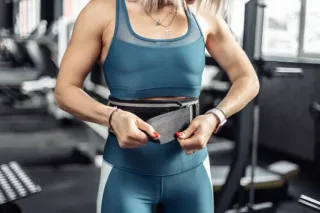
Ladies, it’s time to embrace your inner Strength and unleash your power at the gym. Introducing the weight lifting belt designed specifically for women who are ready to take their fitness game to the next level. Whether you’re a seasoned lifter or just starting out, this accessory is a game-changer. With its Ergonomic design and supportive Features, it provides the stability and confidence you need to push through those challenging lifts.
Designed with women in mind, this weight-lifting belt offers a comfortable fit that contours to your body shape without compromising on support. Its premium quality materials ensure durability and longevity, making it the perfect investment for your fitness journey. From squats to deadlifts, this belt has got your back, literally.
Not only does it provide essential support for your core, but it also helps you maintain proper form, reducing the risk of injury. Say goodbye to back strain and hello to gainz. So grab your weight-lifting belt, step up to the barbell, and let your inner strength shine through. It’s time to unleash the power of the weightlifting belt for women.
Benefits of using a weightlifting belt for women
These belts are not just for men. Women can greatly benefit from using a weightlifting belt during their workouts. But why do women need these belts? Let’s explore the reasons:
Core stability
When you lift heavy weights, your core muscles play a crucial role in maintaining stability. A weight loss belt helps to increase intra-abdominal pressure, providing additional support to your core muscles. This stability allows you to generate more power and lift heavier weights safely.
Injury prevention
Lifting heavy weights without proper support can put excessive strain on your lower back. This can lead to injuries such as muscle strains or herniated discs. It helps to stabilize your spine and reduce the risk of these injuries by providing external support to your lower back.
Confidence booster
Wearing a belt can give you the confidence you need to push past your limits. It acts as a physical reminder of your strength and capability. With the added support and stability, you can focus more on your lifts and less on worrying about potential injuries.
Remember, these belts are not a magic solution. They should be used in conjunction with proper technique and training. However, for women who are serious about their fitness goals, a belt can be a valuable tool in their arsenal.
Types of weight-lifting belts for women
The benefits of using a weightlifting belt for women go beyond just providing support and stability during heavy lifts. Let’s explore some of the key benefits:
Improved performance
By providing additional support to your core, the belt allows you to generate more power and lift heavier weights. This can lead to increased strength gains and improved overall performance in the gym.
Reduced back strain
Lifting heavy weights without proper support can put excessive strain on your lower back. It helps to distribute the load more evenly, reducing the stress on your back muscles. This can help prevent back pain and injuries, allowing you to train more consistently.
Increased confidence
Wearing a weight-lifting belt can give you a mental boost. It acts as a visual reminder of your strength and capability, boosting your confidence in the gym. This increased confidence can translate into better focus and performance during your workouts.
Better technique
It can help you maintain proper form during heavy lifts. By providing stability to your core, it allows you to engage the correct muscles and maintain a neutral spine position. This can help improve your technique and reduce the risk of injury.
Incorporating it into your training routine can provide numerous benefits, allowing you to push past your limits and achieve your fitness goals.
How to choose the right weightlifting belt for women
When it comes to weightlifting belts for women, there are several options to choose from. Let’s take a look at the most common types:
Nylon belts
Nylon belts are lightweight and flexible, making them a popular choice for beginners. They provide a good balance of support and comfort, making them suitable for a wide range of lifts.
Leather belts
Leather belts are known for their durability and stability. They are thicker and heavier than nylon belts, providing excellent support for heavy lifts. Leather belts tend to require a break-in period to mold to your body shape, but they offer long-lasting support and reliability.
Velcro belts
Velcro belts are adjustable and easy to use. They provide a snug fit and can be quickly adjusted to your desired level of tightness. Velcro belts are a popular choice for workouts that require frequent adjustments, such as CrossFit.
Tapered belts
Tapered belts are narrower in the front and wider in the back, allowing for better mobility during lifts. They provide support where it’s needed the most while still allowing for a full range of motion.
When choosing a weightlifting belt, consider your training goals, the type of lifts you perform, and your personal preferences. It’s important to find a belt that fits you well and provides the right level of support and comfort.
Proper usage and technique for using a weightlifting belt
Choosing the right weightlifting belt for women can be a daunting task with so many options available. Here are some factors to consider when making your decision:
Size and fit
The belt should fit snugly around your waist without being too tight or uncomfortable. Measure your waist circumference and refer to the manufacturer’s sizing chart to find the right size for you.
Material
Consider the material of the belt and its durability. Nylon belts are lightweight and flexible, while leather belts offer more stability and longevity. Choose a material that suits your training needs and preferences.
Width and thickness
The width and thickness of the belt can affect its support and comfort. A wider belt provides more stability, especially for heavy lifts, while a thinner belt allows for better mobility. Consider the type of lifts you perform and choose a belt that suits your training style.
Closure system
Different belts have different closure systems such as buckles, Velcro, or a combination of both. Choose a closure system that is easy to use and allows for quick adjustments during your workouts.
Brand Reputation
Consider the reputation of the brand and read reviews from other lifters. Look for belts that are known for their quality, durability, and customer satisfaction.
Remember, the right weightlifting belt is a personal choice and may vary depending on your training goals and preferences. Take your time to research and try out different options to find the perfect fit for you.
Common misconceptions about weightlifting belts for women
Using a weightlifting belt correctly is essential to maximizing its benefits and minimizing the risk of injury. Here are some tips for proper usage and technique:
Positioning
Position the belt around your waist, just above your hip bones. The belt should be snug but not too tight, allowing for a full range of motion.
Breathing technique
Before you lift, take a deep breath and brace your core against the belt. This increases intra-abdominal pressure and provides additional support to your core muscles.
Tightness
The belt should be tightened enough to provide support but not so tight that it restricts your breathing or movement. Find a balance between comfort and stability.
Proper form
It is not a substitute for proper technique. Focus on maintaining a neutral spine position and engaging the correct muscles during your lifts. The belt should enhance your form, not compensate for poor technique.
Limit usage
While it can be beneficial, it’s important not to rely on it too heavily. Use the belt for heavy lifts or when you need additional support, but allow your core muscles to work without the belt during lighter lifts or accessory exercises.
By using it properly, you can optimize its benefits and ensure a safe and effective workout.
Tips for incorporating a weight lifting belt into your workout routine
There are several misconceptions surrounding weight lifting belts for women. Let’s debunk some of the most common ones:
Belts weaken your core
Wearing it does not weaken your core muscles. In fact, it can help you strengthen your core by allowing you to lift heavier weights and engage your core more effectively.
Belts are only for advanced lifters
Weight lifting belts are not just for advanced lifters. Beginners can also benefit from using it to learn proper form and prevent injuries.
Belts are a crutch
It is not a crutch, but rather a tool that can enhance your performance and safety. It should be used in conjunction with proper technique and training.
Belts are uncomfortable
While some belts may take time to break in, a properly fitted weight lifting belt should be comfortable to wear. Choose a belt that suits your body shape and preferences.
Belts are only for heavy lifts
While it is commonly used for heavy lifts, they can also provide support and stability for other exercises such as squats, lunges, or overhead presses. Use the belt when you feel it’s necessary for your training.
It’s important to separate fact from fiction when it comes to weight lifting belts. Understanding their benefits and limitations can help you make an informed decision.
Real-life success stories of women using weight lifting belts
Here are some tips for incorporating a weight-lifting belt into your workout routine:
Warm up properly
Before using it, make sure to warm up your muscles and joints with dynamic stretches and mobility exercises. This prepares your body for the upcoming lifts and reduces the risk of injury.
Start with lighter weights
If you’re new to weight lifting belts, start with lighter weights to get accustomed to wearing the belt and maintaining proper form. Gradually increase the weight as you become more comfortable and confident.
Focus on technique
It should not replace proper technique. Use the belt as a tool to enhance your form and stability, but always prioritize maintaining the correct technique during your lifts.
Listen to your body
Pay attention to how your body feels when using a weightlifting belt. If you experience any discomfort or pain, adjust the tightness or consider trying a different belt. Your comfort and safety should always be the top priority.
Gradually increase usage
If you’re new to weight lifting belts, gradually increase your usage over time. Start by using the belt for heavier lifts, and then gradually incorporate it into other exercises as needed. Allow your body to adapt to the added support.
Remember, it is a tool that can enhance your training, but it’s not a requirement. Listen to your body, train smart, and use the belt when it benefits your performance and safety.
Embrace your strength with a weight lifting belt
Real-life success stories can be a great source of inspiration and motivation. Let’s hear from some women who have experienced the benefits of using weight lifting belts:
These are just a few examples of the positive experiences women have had with weight lifting belts. If you’re on the fence about using one, consider trying it out and seeing how it can benefit your own fitness journey.
| Belt type | Features | Best for |
|---|---|---|
| Nylon | Lightweight, flexible, easy fit | Beginners, wide range of lifts |
| Leather | Thick, durable, needs break in | Heavy lifts, long term support |
| Velcro | Adjustable, quick tightness changes | CrossFit, frequent adjustments |
| Tapered | Narrower front, wider back | Mobility with core support |
A weight lifting belt is a useful tool for any woman who wants more core stability and confidence on heavier lifts, from squats and deadlifts to presses. It is not a magic fix or a crutch, so always pair it with proper form and technique. Choose a belt type that fits your training needs, size it snugly just above your hips, and use it for heavier lifts while letting your core work without it on lighter work.
Frequently Asked Questions
Are weight lifting belts only for men?
What types of weight lifting belts are available for women?
Do weight lifting belts weaken your core?
Are belts only for advanced lifters or heavy lifts?
How do I choose the right size and fit?
How should I use the belt during a lift?

James Mitchell
James Mitchell is a certified personal trainer (NASM-CPT) and the lead fitness editor at Smart Life Hubs. With 12 years coaching home and gym athletes, he specialises in bodyweight and strength training, running form, and fat-loss science. His training plans and equipment reviews are backed by real test sessions, not spec sheets.





Leave a Comment