Pelvic Floor Exercises

Pelvic floor muscles are a group of muscles that strengthen the bladder, uterus, and rectum in the pelvic area for both men and women.
In control of urination and bowel movements, sexual performance, and general pelvic health, these muscles are essential. Exercise for the pelvic muscles might help to build up these muscles and enhance their performance.
Pelvic floor muscles are located at the bottom of the pelvis and form a sling-like structure that supports the pelvic organs.
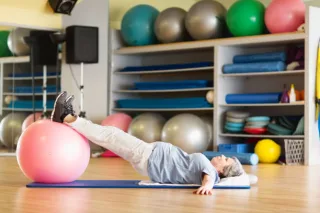
Numerous causes including pregnancy and childbirth, aging, obesity, and specific medical problems can cause the pelvic muscles to weaken or become injured.
Pelvic muscle weakness or injury can result in a range of pelvic floor problems such as urine incontinence, fecal incontinence, and pelvic organ prolapse.
Pelvic workouts involve tightening and releasing certain pelvic muscles.
The pelvic muscles will be identified and located in the following section.
What is the Pelvic Floor?
A group of muscles and tissues in the pelvic area of the body make up the pelvic floor muscle.
The bladder, uterus, and rectum are among the pelvic organs supported by this intricate network of muscles.
In addition to managing sexual activity and bearing the weight of the pelvic organs, the pelvic muscles also govern bowel and bladder movements.
Various situations including aging, pregnancy and childbirth, obesity, persistent constipation, and certain medical diseases can cause the pelvic muscles to weaken or become injured.
When the pelvic muscles weaken, it can lead to various health issues such as urinary incontinence, bowel problems, and pelvic organ prolapse.
Fortunately, strengthening the pelvic muscles through targeted exercises such as Kegels can improve bladder and bowel control, prevent prolapse, enhance sexual function, and reduce the risk of incontinence.
If you’re experiencing any symptoms related to pelvic floor dysfunction, it’s important to consult a healthcare professional for proper diagnosis and treatment.
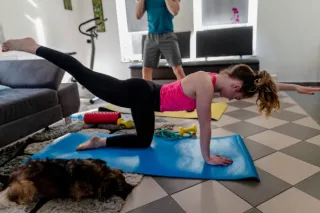
How to Identify and Locate Your Pelvic Floor Muscles
Before you start pelvic exercises it is important to know how to identify and locate your pelvic floor muscles.
Follow these simple steps:
- Sit or lie down in a comfortable position.
- Imagine that you are trying to stop the flow of urine or prevent passing gas. Try to squeeze the muscles that you would use to do this. These are your pelvic muscles.
- Isolate the pelvic muscles by squeezing and lifting them without tightening your buttocks or abdominal muscles.
- Hold the contraction for a few seconds, then release and relax the muscles.
You can get advice from your healthcare professional if you need help recognizing your pelvic muscles.
They might be able to point you in the direction of the muscles or suggest a physical therapist who specializes in pelvic floor therapy.
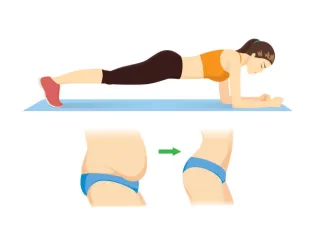
Benefits of Pelvic Floor Exercises
Exercises for the pelvic muscles have a number of advantages for both sexes, including:
Improved bladder control:
It can assist in enhancing bladder control by strengthening the muscles that support the bladder.
This can help minimize urine incontinence which affects many people, particularly women.
Improved sexual function:
These exercises can make sex better by increasing blood flow to the area down there and making the muscles used during sex stronger.
Improved pelvic health:
These exercises can aid in the treatment and prevention of pelvic floor conditions such as pelvic organ prolapse, fecal incontinence, and urine incontinence.
Additionally, these activities can help maintain and improve general pelvic health.
Improved pregnancy and postpartum recovery:
The pelvic floor muscles may benefit from this assistance in getting ready for the physical demands of pregnancy and childbirth.
The perineal tearing and pelvic floor dysfunction that can happen after childbirth can also be avoided or treated with the use of these exercises, which can also aid in postpartum recovery.
Exercises for strengthening the pelvic floor muscle
One of the most effective exercises to strengthen your pelvic floor is called a Kegel exercise.
To do a Kegel, simply contract the muscles you use to stop the flow of urine midstream.
Hold this contraction for a few seconds and then release.
Repeat this exercise several times a day, gradually increasing the length of time you hold the contraction.
Another effective exercise to strengthen your pelvic floor is the bridge pose.
Lie on your back with your knees bent and your feet flat on the ground.
Lift your hips off the ground, squeezing your glutes and pelvic floor muscles.
Hold this pose for a few seconds and then release.
Deep squats are also a great exercise for strengthening the pelvic muscles.
Stand with your feet shoulder-width apart and squat down as low as you can while keeping your back straight.
Hold this position for a few seconds and then stand up.
If you’re new to pelvic floor muscle exercises, it’s important to start slowly and gradually increase the intensity and duration of your workouts.
You can also consult with a physical therapist or healthcare professional for guidance on the best exercises for your specific needs.
Top 10 Pelvic Floor Exercises
Kegel exercises:
Basic pelvic exercise known as a kegel involves tightening and loosening the muscles that support the bladder, uterus, and rectum.
They benefit both men and women by promoting sexual function, strengthening the pelvic floor, and enhancing bladder control.
Squats:
Squats are compound exercises that engage multiple muscle groups, including the pelvic floor.
Squats work the glutes, quadriceps, and hamstrings while also strengthening the pelvic floor muscles.
Bridge pose:
Bridge pose is a yoga asana that targets the pelvic floor muscles.
This position can make your pelvic floor stronger and stabilize your hips and core by lifting your hips off the floor and working your glutes and pelvic muscles.
Deadlifts:
Deadlifts are excellent for overall body strength, and they also activate the pelvic floor muscles.
These compound movements, often performed with weights, engage the glutes, hamstrings, and lower back while indirectly targeting the pelvic floor.
Lunges:
Lunges are effective exercises for the lower body, including the pelvic floor.
By stepping forward or backward and bending both knees, you engage the pelvic muscles along with the glutes, quadriceps, and hamstrings.
Pilates:
The pelvic floor is one of the core muscles that Pilates routines are known to target.
Pilates enhances pelvic stability and fortifies the muscles of the pelvic floor by putting an emphasis on regulated movements and good alignment.
Yoga poses:
Yoga positions that target the pelvic floor include the child’s pose and the butterfly pose.
These postures serve to increase flexibility and muscular tone by gently stretching and engaging the pelvic muscles.
Pelvic tilts:
Pelvic tilts are simple yet effective exercises for strengthening the pelvic floor.
You can engage and activate the pelvic muscles by resting on your back and tilting your pelvis upward.
Clamshells:
Clamshells target the hip abductor muscles, indirectly engaging the pelvic floor.
You can work the glutes and outer thigh muscles as well as the pelvic floor by lying on your side and elevating the top knee while maintaining stable hips.
Hip thrusts:
Hip thrusts primarily target the glute muscles, but they also engage the pelvic floor.
Pelvic floor muscles are activated for increased strength and stability by lifting your hips off the ground and contracting your glutes at the top of the exercise.
You can make your pelvic muscles stronger by doing special exercises for them as a part of your fitness routine.
This will also assist in improving bladder control, improve sexual function, and support overall pelvic health.
How to Perform Pelvic Floor Exercises correctly?
Specific pelvic muscles must be contracted and released during pelvic workouts.
Follow these steps:
- Identify and locate your pelvic floor muscles as described earlier.
- Squeeze and lift the pelvic muscles as if you’re trying to stop the flow of urine or prevent passing gas. Make sure to isolate the muscles and not use other muscles to compensate.
- Hold the contraction for 5 to 10 seconds, then release and relax the muscles for the same amount of time.
- Repeat the contraction and relaxation 10 to 15 times in a row.
- Work up to holding the contraction for 10 to 20 seconds and doing 3 sets of 10 to 15 repetitions per day.
When performing these exercises, keep good form in mind.
Relax your abdomen and buttock muscles and breathe properly.
These exercises can be done quietly throughout the day when you are sitting, standing, or lying down.
When to Seek Professional Help
If you have trouble identifying your pelvic floor muscles or doing pelvic exercises correctly, seek professional help from:
- Primary care provider: You can get advice on how to effectively perform pelvic exercises from your primary care physician who can also assist you in identifying the muscles that make up your pelvic floor.
- Gynecologist: In the event that you require referral to a physical therapist your gynecologist can offer expert therapy for pelvic floor issues.
- Physical therapist: Pelvic floor issues can be treated with a full evaluation and individualized treatment plan from a physical therapist with expertise in pelvic floor therapy.
It is a crucial component of pelvic health and has several advantages for both sexes.
You can increase sexual function, bladder control, and general pelvic health by toning your pelvic floor muscles.
To maximize the benefits, it’s critical to find and accurately execute your pelvic floor muscles.
Consult a physical therapist or your doctor for assistance if you’re having issues or showing signs of pelvic floor abnormalities.
You may enhance your pelvic health and quality of life with the appropriate care and direction.
What is the pelvic floor?
What does the pelvic floor do?
How do you find the pelvic floor muscles?
What are the benefits of strengthening the pelvic floor?
Is my pelvic floor too tight or too lax?
What is pelvic floor dysfunction, and how common is it?
How do you know if your pelvic floor is weak?
How long does it take to strengthen the pelvic floor?
Is pelvic floor exercises the same as Kegel exercises?
Do pelvic floor exercises make you tighter?
Do people of all genders have these muscles?

Rupert Doyle
Rupert Doyle is a registered nutritionist (mBANT) and our lead health-and-wellness editor. He translates complex physiology and diet research into actionable plans, covering weight management, breathing, posture, and recovery. Every health claim is checked against primary clinical literature before publication.






Leave a Comment