Best Pelvic Floor Exercises: Strengthen and Support Your…

Not only do the best Pelvic Floor Exercises help with childbirth, but they also help with bowel and Sexual function. Learn how to Strengthen your pelvic floor muscles in ways other than kegels.
Table of Contents
- The importance of pelvic floor exercises for overall pelvic health
- Understanding the Pelvic Floor
- Criteria for the Best Pelvic Floor Exercises
- How to Increase the Functionality of Your Pelvic Floor
- Top 6 Best Pelvic Floor Exercises for Optimal Results
- Pelvic Floor Exercises during Pregnancy and Postpartum
- Incorporating Pelvic Floor Exercises into Your Routine
- Additional Tips for Optimal Pelvic Floor Health
A strong and healthy pelvic floor is crucial for overall well-being and quality of life. Pelvic floor exercises play a significant role in maintaining and improving pelvic floor health.
Whether you’re looking to address specific concerns or simply enhance your overall pelvic health, these exercises are a great addition to your fitness routine.
The importance of pelvic floor exercises for overall pelvic health
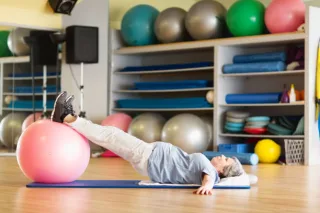
Maintaining general pelvic health requires regular participation in pelvic floor exercises.
The rectum, uterus, and bladder are among the pelvic region’s organs that rely heavily on the support of the pelvic floor muscles.
People can strengthen these muscles, enhance their function, and prevent or treat a variety of pelvic floor problems by performing pelvic floor exercises on a regular basis.
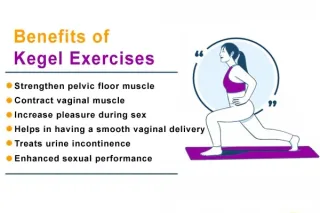
These exercises lower the risk of pelvic organ prolapse, improve bladder control, and avoid urine incontinence.
Exercise for the pelvic floor can also improve sexual function and happiness.
People can maintain optimal pelvic health and enhance their overall quality of life by making pelvic floor exercises a priority.

Understanding the Pelvic Floor
Before diving into the exercises it’s important to understand the pelvic floor’s anatomy and functions.
The pelvic floor muscles form a hammock-like structure, supporting the bladder, uterus, and rectum.
They play a vital role in urinary and bowel control as well as sexual function.
Common issues such as urinary incontinence, pelvic organ prolapse, and pelvic pain can arise when the pelvic floor muscles become weakened or damaged.
Criteria for the Best Pelvic Floor Exercises
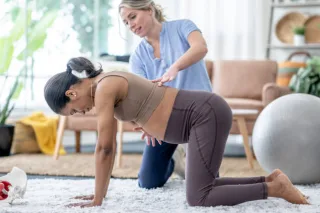
To determine the best pelvic floor exercises, several criteria should be considered.
Effectiveness in strengthening the pelvic floor muscles is crucial.
Exercises should also be safe, easy to perform, and able to target specific pelvic floor concerns.
Recommendations from healthcare professionals and experts provide valuable guidance in selecting the most effective exercises.
How to Increase the Functionality of Your Pelvic Floor
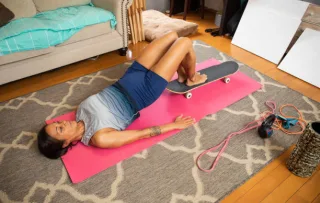
However, it’s important to realize that strengthening your pelvic floor isn’t always the answer.
“These muscles need to relax and lengthen to allow urine and poop to come out, and they need to contract and relax for orgasms to happen, so length is just as important as strength,” Gelman explains.
After all, a muscle must be functional over its whole range of motion in order to be considered fully functioning.
“Think of your biceps: If the biceps are contracted all the time, your elbow will be flexed, and you can’t use your arm well. Same with the pelvic floor,” Crouch says.
For this reason, developing a more effective pelvic floor requires more than just the “bread and butter” of pelvic floor exercises—the kegel, a pelvic floor contraction that shortens.

Top 6 Best Pelvic Floor Exercises for Optimal Results
Pelvic floor physical therapists can teach anyone how to use kegels and other beneficial pelvic floor exercises right away.
Here are some of the other exercises they maintain in their repertoire.
Clamshell:
Lay on your side with your knees slightly in front of you and bent at a 90-degree angle.
Keep your top hand on the floor in front of your chest or on your upper hip while using your bottom arm to support your head.
Maintaining the heels of your feet together, spin your top knee outward while activating your outer glute.
By using your core, you can prevent rolling your hips back and maintain a square hip position during the entire exercise.
After a brief moment of pause at the peak of the action, bring your leg back down to the beginning position.
After 15 repetitions, switch sides to complete 2 sets of the exercise.
Kegels:
Kegel exercises are a cornerstone for pelvic floor strengthening.
Learn the correct technique, variations, and progressions to maximize the benefits and target the pelvic floor muscles effectively.
Child’s Pose:
Extend your arms forward while lowering your forehead to the floor while sitting back on your heels.
Deep breathing will cause your waist, hips, and lower back to lengthen.
Bridge Pose:
This yoga pose engages the pelvic floor while also working the core and glute muscles.
Follow the step-by-step instructions to perform the Bridge Pose correctly and understand its benefits.
Squats:
The pelvic floor muscles can be activated with proper squatting technique, enhancing strength and support.
Learn the proper way to perform squats for maximum pelvic floor activation and reap the benefits of including them in your workout regimen.
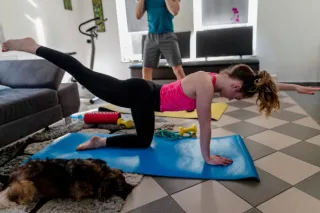
Dead Bug:
This exercise focuses on core stability while also activating the pelvic floor.
Follow the instructions to perform the Dead Bug exercise effectively and understand its impact on pelvic floor health.
Side-Lying Leg Lift:
Place yourself on your side, and place your upper leg directly on top of your lower leg.
Maintain a straight upper leg while bending your lower leg.
Lifting up and lightly squeezing your pelvic floor muscles will engage your pelvic floor.
Lift the upper leg up and down while maintaining your pelvic floor engaged and your hips pointed forward.
Breathe normally and avoid forcing air out of your stomach.
Finish three sets, ten repetitions on each side.
Cat-Cow Pose With Foam Roller:
With your hips over your knees and your shoulders exactly over your wrists, with your knees and palms shoulder-width apart, begin on all fours.
Under your palms, place a foam roller.
Drawing your chin towards your chest and your navel towards your spine as your back scoops up, inhales, and moves the foam roller closer to your knees.
With a release of breath, lower your belly to the floor and arch your back like a cat, pushing the foam roller away from your knees.
Do two sets of ten repetitions.
Pelvic Floor Release Techniques:
Relaxation and release techniques are equally important for pelvic floor health.
Explore guided relaxation exercises that can alleviate tension and promote flexibility in the pelvic floor muscles.
Banded Glute Bridge:
Just above your knees, wrap a little band around your legs.
With your knees bent, your feet flat on the ground, and your arms straight by your sides, lie on your back.
Lift your hips off the floor until they are parallel to your thighs by tucking your pelvis beneath and contracting your glutes.
Repeat after lowering your hips back to the floor.
Do two sets of ten repetitions.
Pelvic Floor Exercises during Pregnancy and Postpartum
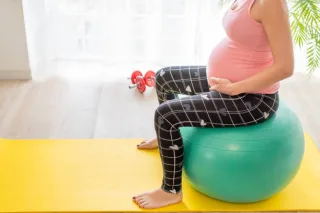
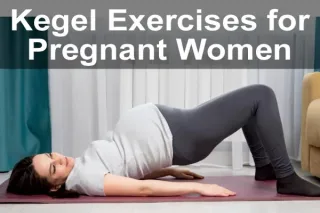
Pelvic floor exercises during pregnancy and postpartum are essential for maintaining pelvic health and preventing complications.
During pregnancy, the pelvic floor muscles undergo significant changes and can become weakened or stretched due to the growing baby and increased pressure on the pelvic region.
Pelvic floor exercises, also known as Kegels, can help strengthen these muscles, improve blood flow, and support the pelvic organs.
Performing pelvic floor exercises during pregnancy can help prepare the muscles for labor and delivery, reducing the risk of perineal tearing and pelvic floor trauma.
These exercises also aid in maintaining bladder control and preventing urinary incontinence, a common issue during and after pregnancy.
In the postpartum period, pelvic floor exercises help in the recovery and healing process.
They promote circulation, tone the muscles, and support the pelvic organs as the body adjusts to its pre-pregnancy state.
Regular practice of pelvic floor exercises can accelerate the healing of perineal tears or episiotomies and improve overall pelvic floor function.
Incorporating Pelvic Floor Exercises into Your Routine
Consistency is key when it comes to pelvic floor exercises.
Learn the recommended frequency and duration for performing these exercises and discover tips for staying motivated.
You can integrate pelvic floor exercises with other workouts or activities to make them a seamless part of your routine.
Tracking your progress and making adjustments as needed will help you achieve optimal results.
Additional Tips for Optimal Pelvic Floor Health
In addition to exercise, maintaining a healthy lifestyle and diet is crucial for pelvic floor health.
Managing weight, practicing proper posture, and avoiding habits that strain the pelvic floor are essential.
If needed, seeking professional guidance and support from healthcare providers or pelvic floor specialists can provide personalized advice and ensure your exercises are tailored to your specific needs.
Prioritizing pelvic floor health through regular exercise is a proactive step toward overall well-being.
By incorporating the best pelvic floor exercises into your fitness routine and following the guidelines provided, you can strengthen and support your pelvic floor muscles effectively.
Take control of your pelvic floor health, enhance your quality of life, and enjoy the benefits of a strong and resilient pelvic floor.
FAQ
What is the most effective pelvic floor exercise?
How can I improve my pelvic floor fast?
How long does it take to strengthen the pelvic floor?
What is the success rate of pelvic floor exercises?
References:
7 Best Exercises to Strengthen Your Pelvic Floor
Related reading
8 Best Kegel Exercises to Strengthen Your Pelvic Floor · Best standing exercises and How to do them for your ultimate… · Kegel Exercise to Strengthen Pelvic Floor Muscles in 2024

Rupert Doyle
Rupert Doyle is a registered nutritionist (mBANT) and our lead health-and-wellness editor. He translates complex physiology and diet research into actionable plans, covering weight management, breathing, posture, and recovery. Every health claim is checked against primary clinical literature before publication.




Leave a Comment