
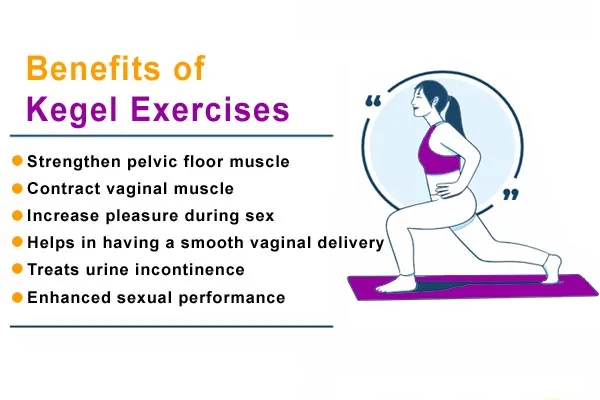
There are a lot of benefits of Kegel exercise for both men and women if doing it regularly. Many advantages have been found in doing these exercises for the muscles in the lower part of the body.
Table of Contents
The muscles that support the bladder, uterus, and rectum are involved in tightening and relaxing during these exercises.
It is often advised for individuals experiencing urinary incontinence or other pelvic floor disorders.
The many benefits of Kegel exercises and how overall health and well-being can be improved will now be explored.
Kegel Exercise Benefits for Both Men and Women:
It is better for strengthening pelvic floor muscles to improve sexual function by regulating blood flow in muscles. There are several potential benefits to kegel exercise, including:
Improved bladder control: Improving bladder control is one of the most commonly cited benefits of Kegel exercises. Strengthening the pelvic floor muscles that support the bladder and urethra, can help improve urinary incontinence or leakage.
This is mainly beneficial for women who have given birth or are going through menopause, as well as men with urinary incontinence due to prostate problems or other issues. To maximize the benefits of Kegel exercises for bladder control, it’s essential to perform them correctly and consistently.
Gradually increase the intensity and duration of your contractions over time, and incorporate them into your daily routine.
Additionally, maintaining a healthy lifestyle that includes regular exercise and a balanced diet can also support bladder health. it can help improve bladder control and reduce the risk of incontinence in both men and women.
Urinary Incontinence: One of the most well-known benefits of Kegel exercises is their ability to improve urinary incontinence. Urinary incontinence is the involuntary leakage of urine, and it is a common problem that affects millions of people worldwide.
It strengthens the pelvic floor muscles that support the bladder, making it easier for the body to control urine flow. Studies have shown that Kegel exercises can improve urinary incontinence in both men and women, with some individuals encountering complete explanations of their symptoms.
Reduced risk of pelvic organ prolapse: It can assist in strengthening the muscles of the pelvic floor and lower the risk of pelvic organ prolapse, a condition in which organs in the pelvic region drop from their normal position.
Improved Sexual Function: Another benefit of Kegel exercises is their ability to Enhance sexual function. It can improve sexual function and pleasure for both men and women. The pelvic floor muscles play a key role in sexual function, and strengthening these muscles can lead to increased sexual pleasure and satisfaction. In women, It can help to improve vaginal tone and lubrication, which can enhance sexual arousal and orgasm. In men, It can help improve erectile function and reduce the risk of premature ejaculation.
Postpartum recovery: For women who have given birth, Kegel exercises can help speed up recovery and reduce the risk of pelvic floor problems.



Improved posture: The exercise can also help improve posture by strengthening the muscles of the lower back and pelvis.
Reduced Risk of Prostate Problems: In men, Kegel exercises can help to reduce the risk of prostate problems such as prostatitis and benign prostatic hyperplasia (BPH). These conditions can cause urinary symptoms such as frequent urination, urgency, and difficulty starting or stopping urination. It can help to improve the strength and tone of the pelvic floor muscles, which can reduce the risk of these symptoms occurring.
Prevention of Pelvic Organ Prolapse: Pelvic organ prolapse is a condition in which the pelvic organs, such as the uterus or bladder, drop down into the vagina due to weakened pelvic floor muscles. This condition is more common in women who have had multiple pregnancies or who have gone through menopause. The exercises can help to prevent pelvic organ prolapse by strengthening the pelvic floor muscles and providing support to the pelvic organs.
Eased constipation: It can also help relieve constipation by improving the function of the muscles of the rectum.
Improved Bowel Function: The exercises can also improve bowel function by strengthening the muscles that control bowel movements. These exercises can be especially helpful for individuals with fecal incontinence or chronic constipation. Strengthening the pelvic floor muscles can help to improve the body’s capability to control bowel movements and reduce the risk of accidental leakage.
Improved Postpartum Recovery: For women who have recently given birth, It can be an effective way to improve postpartum recovery. Pregnancy and childbirth can weaken the pelvic floor muscles, leading to urinary incontinence and other pelvic floor problems. The exercises can help to strengthen these muscles and restore their function, allowing women to recover more quickly after childbirth.
Kegel exercises benefit sexually for men
Kegel exercises are often associated with women’s health, but did you know that men can also benefit from them, especially in terms of sexual health? It involves contracting and relaxing the pelvic floor muscles, which support the bladder, bowel, and sexual organs. Here are some of the benefits that men can experience by practicing Kegel exercises:
Improved erectile function: Studies have shown that it can help to improve erectile function in men with erectile dysfunction (ED). By strengthening the pelvic floor muscles, it can improve blood flow to the penis and help to maintain an erection.
Increased sexual stamina: By improving muscle tone in the pelvic floor, It can help to increase sexual stamina and prolong sexual activity. This can lead to more satisfying sexual experiences for both partners.
Improved bladder control: These exercises can also help to improve bladder control in men who experience urinary incontinence. Strengthening the pelvic floor muscles can help to prevent urine leakage and improve overall bladder function.
Prevention of premature ejaculation: The exercises can also be helpful in preventing premature ejaculation. By strengthening the pelvic floor muscles, These exercises can help to improve control over ejaculation and delay orgasm.
Overall, Kegel exercises can be a simple and effective way for men to improve their sexual health. They can be performed discreetly, without any equipment, and can be easily incorporated into daily routines.
Kegel exercises benefit sexually for women
Kegel exercises, also known as pelvic floor exercises, are often associated with women’s health, particularly during and after pregnancy. However, did you know that it can also have significant benefits for women’s sexual health? Here are some of the benefits that women can experience by practicing Kegel exercises:
Improved sexual function: These exercises can help to strengthen the pelvic floor muscles, which support the bladder, uterus, and vagina. Improving muscle tone in the pelvic floor can lead to increased sensitivity during sexual activity and stronger orgasms.
Improved bladder control: It can also help to improve bladder control in women who experience urinary incontinence. By strengthening the pelvic floor muscles, Kegel exercises can help to prevent urine leakage and improve overall bladder function.
Prevention of pelvic organ prolapse: Pelvic organ prolapse is a condition in which the pelvic organs, such as the uterus or bladder, drop from their normal position and protrude into the vaginal canal. It can help to prevent pelvic organ prolapse by improving muscle tone in the pelvic floor and providing better support to the organs.
Improved recovery after childbirth: It can be particularly helpful for women who have given birth vaginally. Strengthening the pelvic floor muscles, these exercises can help to speed up recovery after childbirth and reduce the risk of urinary incontinence or pelvic organ prolapse.
Overall, Kegel exercises can be a simple and effective way for women to improve their sexual and overall health. They can be performed discreetly, without any equipment, and can be easily incorporated into daily routines.
Pros and Cons of Kegel Exercises
Kegel exercises have become a popular method for tightening the pelvic floor muscles, but as with any exercise routine, there are pros and cons to consider.
On the positive side, Kegels can help prevent or reduce urinary incontinence, especially among women who have recently given birth or experienced menopause. They can also improve sexual function by increasing blood flow to the genital area and enhancing muscle control during intercourse.
However, there are some potential downsides to consider as well. Overdoing Kegels could lead to muscle fatigue and even pain in some cases. Additionally, if you aren’t doing them correctly or targeting the right muscles, you may not see any benefits at all.
Another consideration is that Kegels alone may not be enough to address certain underlying conditions that contribute to bladder issues or sexual dysfunction. It’s important to consult with a healthcare provider if you’re experiencing frequent urine leaks or other related problems.
While Kegel exercises certainly have their benefits for many people seeking improved pelvic health, it’s important to approach them carefully and keep realistic expectations in mind.
How to Do Kegel Exercises?
Kegel exercises are easy to do and can be done anywhere, at any time. To perform Kegel exercises, follow these steps:
- Identify the muscles you need to target, The easiest way to do this is to stop urination midstream. The muscles you use to stop urine flow are the pelvic floor muscles you need to target with Kegel exercises.
- Once you have identified the muscles, contract them by squeezing them as tightly as possible. Hold the contraction for five seconds, then release.
- Rest for a few seconds, then repeat the contraction and release for ten repetitions.
- Aim to do these exercises three times per day.
How to Maximize the Benefits of Kegel Exercise?
Kegel exercises can have numerous benefits for both men and women, including improving bladder control, enhancing sexual function, and preventing pelvic organ prolapse.
To maximize the benefits of Kegel exercises, it’s important to perform them correctly and consistently. Start by identifying your pelvic floor muscles, then try to contract and hold them for 5-10 seconds at a time.
Gradually increase the duration and intensity of your contractions over time, but be careful not to overdo it. It’s also important to incorporate Kegel exercises into your daily routine and maintain a healthy lifestyle overall to support your pelvic health.
It’s important to remember that Kegel exercises should be performed correctly to reap the benefits. Performing kegels in the correct way, both men and women can get potential benefits from them. Incorrectly performed Kegel exercises can weaken the pelvic floor muscles, so it’s essential to get proper instructions from a doctor or physical therapist.
Can Kegel exercises improve sexual function?
Can Kegel exercises be harmful?
How often should I do Kegel exercises?
Who can benefit from Kegel exercises?
How often should I do Kegel exercises?
Can Kegel exercise help with bladder control?
Related reading
The Ultimate Guide to Kegel Exercise Benefits for Men in 2023 · Kegel Ball: A Comprehensive Guide to Its Uses and Benefits · How to Do Kegel Exercises: A Comprehensive Guide







Leave a Comment