
Discover the power of mastering your mind and body with the help of breathing exercise tools. It’s simple to feel overburdened and anxious in the fast-paced world of today. However, adding a few easy breathing techniques to your daily regimen may have a significant positive impact on your general health.
You may create an inner sense of calm and relaxation and connect with the present moment by paying attention to your breath. Whether you are an expert practitioner or a novice breathing exercise tools offer a useful and affordable way to improve your well-being.
From meditation apps to specialized breathing devices, there are various tools available to help you deepen your breath, improve your lung capacity, reduce stress, and increase mental clarity. They can be used anytime, anywhere – at home, in the office, or even during your commute.
In this article, we will explore the different types of breathing workout tools and their benefits. Learn how to integrate these tools into your daily life and unlock your full potential. Embrace the transformative power of breath and take control of your mind and body for improved well-being.
The importance of mind and body connection
In today’s fast-paced world, it’s easy to get caught up in the hustle and bustle of everyday life. We often prioritize our external responsibilities and neglect our internal well-being. However, the mind and body are deeply interconnected, and neglecting one can have a significant impact on the other.
When we experience stress, our breath becomes shallow and rapid, signaling to our body that we are in a state of fight-or-flight. This triggers a cascade of physiological responses, including increased heart rate, elevated blood pressure, and heightened muscle tension. Over time, chronic stress can lead to a variety of health issues, both physical and mental.
On the other hand, when we focus on our breath and engage in deep, conscious breathing, we activate the relaxation response. This signals to our body that we are safe and can shift into a state of rest and digestion. This promotes relaxation, reduces stress, and allows for the restoration of balance in our mind and body.
Understanding breathing exercises and their benefits
Breathing exercises, also known as breathwork, are a set of techniques designed to consciously control and manipulate the breath. These techniques have been practiced for centuries in various cultures and have been found to have a wide range of benefits for our physical, emotional, and mental well-being.
One of the main benefits of breathing practices is their ability to activate the parasympathetic nervous system, also known as the rest and digest response. This helps to counteract the effects of chronic stress and promotes relaxation and healing in the body.
In addition to reducing stress, it can also improve lung function, increase oxygenation, and enhance overall respiratory health. They can help to clear the mind, improve mental clarity, and promote a sense of focus and presence.
Furthermore, breathing workouts have been shown to regulate emotions, reduce anxiety and depression, and improve sleep quality. They can also enhance our ability to manage pain and improve our overall sense of well-being.
The science behind breathing exercises
The benefits of breathing exercises are not just anecdotal – there is a growing body of scientific evidence to support their effectiveness. When we engage in deep, slow breathing, we activate the vagus nerve, which plays a key role in regulating our body’s stress response.
Research has shown that deep breathing can reduce cortisol levels, lower blood pressure, and improve heart rate variability – a measure of our body’s ability to adapt to stress. It has also been found to increase the production of endorphins, our body’s natural painkillers, and promote a sense of calm and relaxation.
Furthermore, studies have shown that regular practice can lead to long-term changes in the brain, including increased gray matter density in areas associated with attention, emotional regulation, and self-awareness. This suggests that exercises can have a lasting impact on our mental and emotional well-being.
Different types of breathing exercises
There are many different types of breathing practices, each with its own unique benefits and techniques. Some of the most popular ones include diaphragmatic breathing, alternate nostril breathing, square breathing, and the 4-7-8 technique.
Diaphragmatic breathing
Diaphragmatic breathing, also known as belly breathing, involves deepening and slowing down the breath by engaging the diaphragm muscle. This allows for a greater intake of oxygen and helps to promote relaxation and reduce stress.
Alternate nostril breathing
Alternate nostril breathing is a technique commonly used in yoga and involves alternating the flow of breath between the left and right nostrils. This helps to balance the energy in the body and promote a sense of harmony and well-being.
Square breathing
Square breathing, also known as box breathing, involves inhaling, holding the breath, exhaling, and holding the breath again – each for an equal count of time. This helps to regulate the breath, calm the mind, and promote focus and concentration.
4-7-8 technique
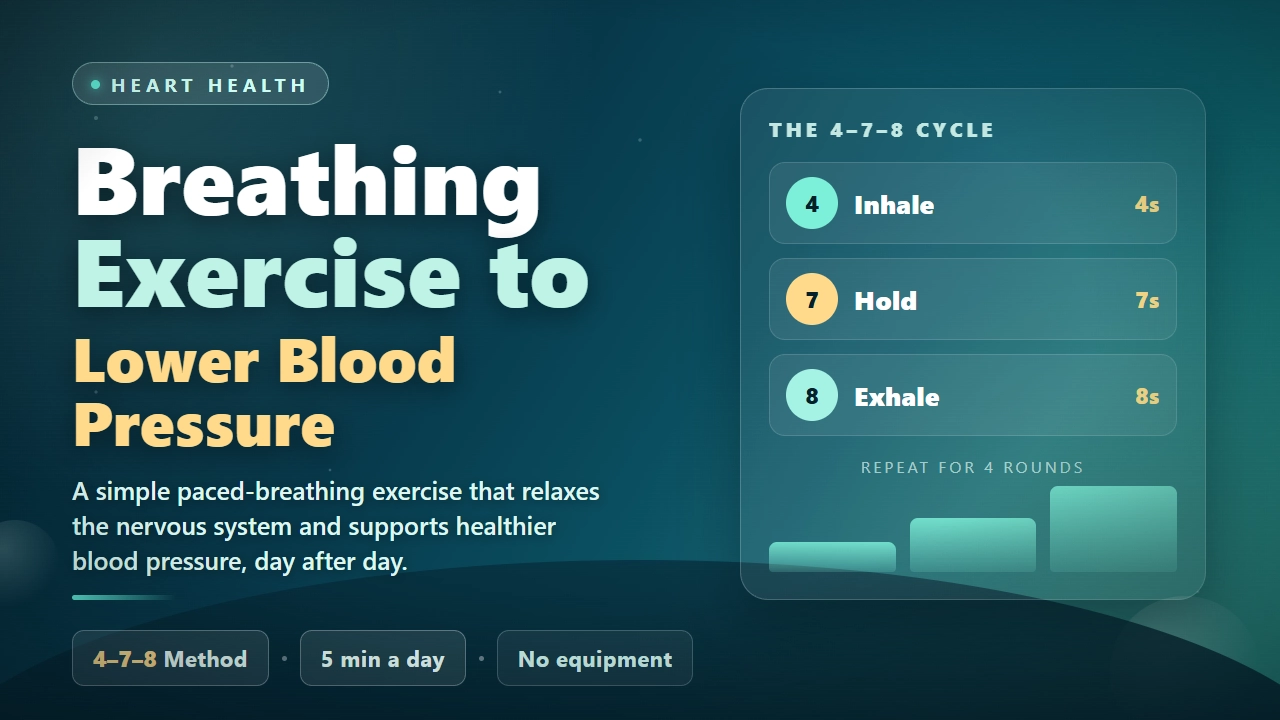
The 4-7-8 technique, popularized by Dr. Andrew Weil, involves inhaling deeply through the nose for a count of 4, holding the breath for a count of 7, and exhaling slowly through the mouth for a count of 8. This technique has been found to induce a state of deep relaxation and promote sleep.
Tools and gadgets for enhancing breathing exercises
While it can be practiced without any external tools or gadgets, there are a variety of devices available that can enhance and deepen the experience. These tools can provide feedback, guidance, and support, making it easier to incorporate the exercises into your daily routine.
Meditation app
One popular tool is a meditation app, such as Headspace or Calm which offers guided exercises and meditation sessions. These apps often have a variety of breathing activities to choose from, ranging from beginner-friendly to more advanced techniques.
Pulse oximeter
Another useful gadget is a pulse oximeter which measures the oxygen saturation levels in your blood. This can help you gauge the effectiveness of your breathing and ensure that you are getting enough oxygen.
Breathing trainers
Breathing trainers, such as the Power Lung or the Expand-A-Lung, are devices specifically designed to improve lung capacity and respiratory strength. These devices provide resistance to the breath, forcing the respiratory muscles to work harder and become stronger over time.
Biofeedback devices
There are also biofeedback devices, such as the Spire or the Muse headband, which can track your breathing patterns, heart rate, and other physiological markers. These devices provide real-time feedback and help you become more aware of your breath and its impact on your well-being.
How breathing exercise tools can improve well-being
Breathing exercise tools can enhance your well-being in a variety of ways. They can help you deepen your breath, improve your lung capacity, and increase the oxygenation of your body. This can lead to increased energy levels, improved physical performance, and enhanced overall health.
In addition to the physical benefits, the tools can also have a profound impact on your mental and emotional well-being. By focusing on your breath and practicing mindfulness, you can cultivate a sense of inner calm, reduce stress and anxiety, and improve your ability to regulate your emotions.
It can also improve your cognitive function and mental clarity. By increasing the flow of oxygen to the brain, you can enhance your focus, concentration, and problem-solving abilities. This can help you perform better at work or school and improve your overall productivity.
Furthermore, it can improve your sleep quality and help you relax and unwind after a long day. By activating the relaxation response, they can promote a sense of peace and tranquility, making it easier to fall asleep and stay asleep throughout the night.
Incorporating breathing exercises into your daily routine
To reap the benefits of breathing exercises, it’s important to incorporate them into your daily routine. Fortunately, they can be practiced anytime, anywhere – making them accessible to everyone, regardless of their lifestyle or schedule.
One simple way to incorporate it into your daily routine is to set aside a few minutes each day for dedicated practice. Find a quiet and comfortable space, sit or lie down in a relaxed position, and focus on your breath. Start with just a few minutes and gradually increase the duration as you become more comfortable.
You can also integrate it into your existing daily activities. For example, you can practice deep belly breathing while waiting in line, commuting to work, or taking a break at the office. This can help you stay grounded, centered, and present throughout the day.
In addition to regular practice, it can be helpful to establish a consistent breathing pattern. Whether it’s diaphragmatic breathing, alternate nostril breathing, or any other technique, find one that resonates with you and make it a part of your daily routine. This will help you establish a sense of rhythm and familiarity, making it easier to relax and enter a state of flow.
Tips for getting the most out of breathing exercise tools
To get the most out of breathing exerciser devices, it’s important to approach them with an open mind and a sense of curiosity. Experiment with different techniques and tools, and find what works best for you. Remember that everyone’s journey is unique, and what works for one person may not work for another.
Start with simple techniques and gradually progress to more advanced ones. It’s important to listen to your body and not push yourself too hard. If you feel uncomfortable or lightheaded, take a break and resume when you feel ready.
Consistency is key when it comes to breathing or other exercises. Aim to practice daily, even if it’s just for a few minutes. Over time, you will start to notice the cumulative benefits and the positive impact they have on your overall well-being.
Finally, be patient and compassionate with yourself. Like any new skill, mastering the exercises takes time and practice. Embrace the process and trust that with dedication and perseverance, you will unlock your full potential and experience the transformative power of breath.
Recommended breathing exercise tools and where to find them
There are many breathing practice tools available in the market, each with its own unique features and benefits. Here are some recommended tools that you can explore:
Headspace
A popular meditation app that offers a variety of breathing exercises and guided meditation sessions. Available for iOS and Android devices.
Power Lung
A breathing trainer designed to improve lung capacity and respiratory strength. It provides adjustable resistance to the breath and comes in various models to suit different fitness levels.
Spire
A biofeedback device that tracks your breathing patterns, heart rate, and other physiological markers. It provides real-time feedback and helps you become more aware of your breath and its impact on your well-being.
Muse
A headband that uses EEG technology to track your brain activity during meditation and breathing exercises. It provides real-time feedback and helps you stay focused and present.
Pulse Oximeter
A device that measures the oxygen saturation levels in your blood. It can help you gauge the effectiveness of your breathing exercises and ensure that you are getting enough oxygen.
These tools can be found online or in stores specializing in health and wellness products. It’s important to do your research and read reviews before making a purchase to ensure that you find the right tool for your needs.
Breathing exercise tools can meaningfully enhance your well-being by strengthening breathing muscles, improving awareness of your breath, and supporting calm and focus. Devices and apps like the Power Lung, Spire, Muse, pulse oximeters, and meditation apps each suit different goals, from building lung capacity to reducing stress. Pair them with consistent breathing practice and your daily routine to get the most benefit.




Leave a Comment