Pelvic Floor Exercises for Men

Pelvic Floor Exercises for Men are essential to improve bladder control, sexual function, balance & stability, and prevent urinary incontinence. We’ll talk about pelvic floor exercises for men in this article and how they can help. The pelvic floor exercises are not just for women. In actuality, these exercises are also beneficial for men.
The muscles of the pelvic floor support the bladder, bowel, and, in men, the prostate gland and penis. Weak pelvic muscles can lead to fecal and urinary incontinence, erectile dysfunction, pelvic pain, and other problems.
Pelvic floor health is essential for men to maintain optimal urinary and sexual function, as well as overall well-being. The bladder, rectum, and other pelvic organs are supported by the pelvic floor muscles which are very important.
Understanding Pelvic Floor Dysfunction in Men
Pelvic floor abnormalities in males can occur as a result of a variety of causes such as aging, prostate troubles, obesity, and surgery.
These conditions can include urine incontinence, erectile dysfunction, pelvic discomfort, and even pelvic organ prolapse.
Men can take proactive actions to address and manage pelvic floor dysfunction by learning the reasons and risks connected with it.
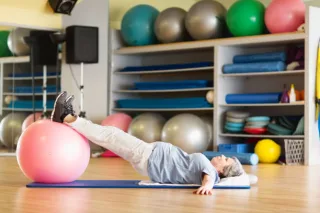
The Benefits of Pelvic Floor Exercises For Men
Pelvic floor exercises are not just for women, men can also benefit greatly from them.
Actually, doing exercises to strengthen the pelvic muscles can assist men in better controlling their bladder, boosting their sexual abilities, and preventing or treating problems like difficulty getting or maintaining an erection and ejaculating too early.
Improved Bladder Control
Pelvic floor exercises can help strengthen the muscles that control the bladder.
This can be particularly helpful for men who experience urinary incontinence which is the involuntary leakage of urine.
Men can improve their ability to hold urine, reduce the frequency of urination, and prevent accidents by strengthening these muscles.
Enhanced Sexual Performance
Pelvic floor exercises can also improve sexual performance in men.
Maintaining an erection, enhancing the intensity of orgasms, and avoiding premature ejaculation can all be improved by strong pelvic muscles.
Additionally, these exercises can help increase blood flow to the pelvic area which can improve overall sexual function.
Prevention and Treatment of Erectile Dysfunction
Men frequently experience erectile dysfunction (ED), especially as they get older.
Pelvic floor exercises can treat and prevent ED by building up the muscles that hold the penis in place.
Men can improve their capacity to get and maintain an erection by strengthening the muscles that aid to sustain an erection by trapping blood in the penis.
Improved Posture and Core Strength
The pelvic floor muscles are a part of the core muscles that support the spine and trunk.
Increasing the strength of these muscles can aid with posture in general and core stability.
Men who work jobs that entail a lot of standing or sitting may find this to be very helpful.
Improved Urinary Control
Doing exercises that target the muscles in your pelvis can make them stronger.
These muscles are in charge of keeping you from accidentally peeing when you don’t want to.
Strengthening them can lower your chances of having trouble controlling your pee and also make your bladder work better.
Identifying and Locating the Pelvic Floor Muscles
The first step in doing pelvic floor exercises for men is to locate the pelvic floor muscles.
These muscles are located between the tailbone and the pubic bone, and they support the pelvic organs.
To locate your pelvic muscles, try stopping the flow of urine midstream.
The muscles that you use to do this are your pelvic muscles.
However, it’s important to note that this should only be done as a way of locating the muscles, and not as an exercise.
Stopping the flow of urine frequently can actually lead to urinary tract infections and other problems.
Once you have located your pelvic muscles, you can begin practicing pelvic floor exercises. Here’s how:
Step 1: Empty your bladder completely.
Step 2: Sit, stand, or lie down in a comfortable position.
Step 3: Tighten your pelvic muscles as if you are trying to stop yourself from passing gas or urine.
Step 4: Hold the contraction for 3-5 seconds then release.
Step 5: Relax your pelvic muscles for 3-5 seconds.
Step 6: Repeat steps 3-5, 10 times in a row.
Recommended Pelvic Floor Exercises for Men:
Kegel Exercises:
Kegels involve contracting and relaxing the pelvic floor muscles.
Start by contracting the muscles for a few seconds, then release and relax.
Gradually increase the duration and repetitions over time.
Squats:
Squatting correctly can activate the pelvic floor muscles, generating strength and support.
Learn about the benefits of introducing squats into your fitness regimen and how to do them correctly for optimal pelvic floor activation.
Bridge Pose:
This yoga pose engages the pelvic floor while also working the core and glute muscles.
Follow the step-by-step instructions to perform the Bridge Pose correctly and understand its benefits.
Additional Pelvic Floor Exercises:
Alongside Kegels, other exercises like lunges can engage and strengthen the pelvic floor muscles indirectly.
These exercises complement the targeted benefits of Kegels.
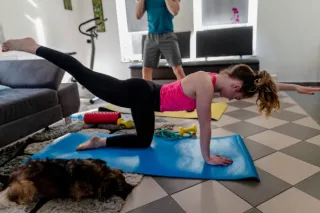
Tips for Maximizing the Benefits of Pelvic Floor Exercises for Men
Do your exercises regularly:
Like any exercise pelvic floor exercises work best when done regularly.
Aim to do your exercises at least three times a day, every day.
Build up slowly:
Start by holding the contraction for a few seconds at a time if you’re new to pelvic floor exercises.
You can gradually increase the time of your contractions as you gain strength.
Don’t hold your breath:
It is critical to breathe normally while performing pelvic floor exercises.
Holding your breath might cause your pelvic floor muscles to stiffen, making it more difficult to perform the exercises correctly.
Focus on the right muscles:
It’s common for people to accidentally tighten their abdominal, buttock, or thigh muscles instead of their pelvic floor muscles.
Make sure you’re only squeezing your pelvic floor muscles and not any other muscles.
Practice different positions:
Although pelvic floor exercises can be performed in any posture it may be beneficial to practice them in a variety of positions to make sure you’re engaging all the pelvic floor muscles.
Sit, stand, lie down, or even walk while performing pelvic floor exercises.
Incorporate resistance training:
The muscles in the pelvic floor can be further strengthened with resistance exercises.
Using a Kegel exerciser which offers resistance for the muscles to work against, is one way to do this.
Keep up with it:
Like any exercise, it’s important to be consistent with your pelvic floor exercise practice.
Even if you don’t see immediate results, keep up with your exercises and you will likely notice improvements over time.
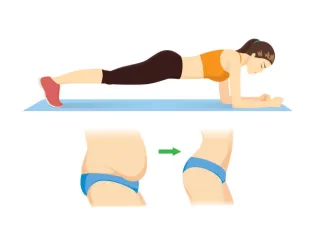
Incorporating Pelvic Floor Exercises into Daily Routine:
To ensure consistency, it is important to incorporate pelvic floor exercises into daily routines.
Suggestions include setting reminders, linking exercises to existing habits, and discreetly performing them in various positions like sitting, standing, or lying down.
Consistency and proper form are key to achieving desired outcomes.
Lifestyle Factors for Pelvic Floor Health:
Keep your pelvic floor strong and healthy by taking care of your body and leading a healthy lifestyle.
Ensure that you eat healthy food, drink enough water, manage your weight, and do not smoke.
Your pelvic floor muscles can be strengthened and made to work better.
Finally, pelvic floor exercises are an essential component of men’s health and offer a variety of benefits.
Finding and exercising the muscles in your pelvic area can help you control when you go to the bathroom and make it less likely for pee or poop to come out when you don’t want it to.
It can also make sex better.
By strengthening these muscles, men can improve bladder control, enhance sexual performance, prevent and treat erectile dysfunction, and improve overall posture and core strength.
It’s never too late to start pelvic floor exercises, and incorporating them into a daily routine can lead to significant improvements in overall health and well-being.
Remember to start slowly and build up gradually, and incorporate different positions and resistance training to maximize the benefits of your pelvic floor exercise practice.
If you’re unsure about how to do pelvic floor exercises properly, don’t do this illiteracy.
What Are the Benefits of Pelvic Floor Exercises for Men?
When Is the Best Time to Start Pelvic Floor Exercises for Men?
How does a man exercise his pelvic floor?
How do I know if my pelvic floor is weak male?
Can men train their pelvic floor?
How long does it take to strengthen pelvic floor men?

Rupert Doyle
Rupert Doyle is a registered nutritionist (mBANT) and our lead health-and-wellness editor. He translates complex physiology and diet research into actionable plans, covering weight management, breathing, posture, and recovery. Every health claim is checked against primary clinical literature before publication.





Leave a Comment