How To Do Pelvic Floor Exercises?

Pelvic floor exercises which are also called Kegels are an easy and helpful method to enhance the strength and health of the pelvic area in both males and females. A collection of muscles known as the pelvic floor supports the pelvic organs and extends from the pubic bone to the tailbone.
Numerous problems, including urine incontinence, pelvic discomfort, and even sexual dysfunction, can be brought on by weak pelvic floor muscles.
Identify the Pelvic Floor Muscles
The first step to doing pelvic floor exercises is to identify the pelvic floor muscles. One way to do this is to try to stop the flow of urine mid-stream while using the bathroom. The muscles you use to do this are your pelvic floor muscles.
However, it’s important not to make a habit of stopping urine mid-stream as this can cause urinary tract infections. Instead of using this method to help identify the muscles you need to work on.
Another way to identify your pelvic floor muscles is to imagine that you are trying to hold in gas or stop a bowel movement. The muscles you use to do this are your pelvic floor muscles.
Once you’ve identified your pelvic floor muscles you can start doing the exercises.
How to Do Pelvic Floor Exercises?
Get in the Right Position:
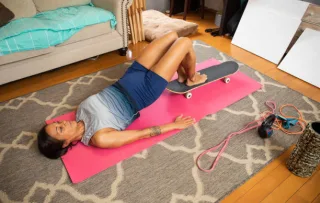
To perform pelvic floor exercises, you can sit, stand, or lie down.
Choose a comfortable position where you can relax your body.
Contract Your Pelvic Floor Muscles:
Contract your pelvic floor muscles by squeezing them inward and upwards.
Imagine that you are trying to lift the muscles up and inwards towards your belly button.
Be sure to keep your buttocks and thighs relaxed while doing the exercise.
Hold the Contraction:
Hold the contraction for 3-5 seconds, or as long as you can without straining.
Gradually work your way up to holding the contraction for 10 seconds.
Release the Contraction:
Slowly release the contraction and relax your muscles for the same amount of time that you held the contraction.
Repeat:
Repeat the exercise 10-15 times per session, and aim to do at least three sessions per day.
Tips for Success in Pelvic Floor Exercises
Consistency is Key:
Like any exercise, consistency is key to seeing results.
Aim to do pelvic floor exercises at least three times a day for the best results.
Don’t Hold Your Breath:
Make sure to breathe normally while doing the exercises.
Holding your breath can cause unnecessary tension in your pelvic floor muscles.
Don’t Strain:
Don’t strain your muscles while doing the exercises.
If you feel any pain or discomfort, stop immediately and consult with a healthcare professional.
Incorporate Pelvic Floor Exercises into Daily Life:
In addition to doing the exercises on their own, try incorporating pelvic floor exercises into your daily life.
For example, try doing them while standing in line or sitting at your desk.
Don’t Overdo It:
Don’t overdo it when starting out. Start with shorter holds and gradually work your way up to longer holds.
Benefits of Pelvic Floor Exercises:
Improved Bladder Control:
Pelvic floor exercises can improve bladder control and prevent or treat urinary incontinence.
Improved Sexual Function:
Through increased blood flow to the pelvic area and strengthened muscles pelvic floor exercises can enhance sexual performance.
Improved Prostate Health:
Prostate health can be improved by pelvic floor exercises which reduce the risk of prostate enlargement and prostatitis.
Reduced Risk of Erectile Dysfunction:
Pelvic floor exercises can lower the risk of erectile dysfunction by strengthening the muscles and increasing blood flow to the penis.
Improved Bowel Control:
Pelvic floor exercises can improve bowel control by strengthening the muscles of the
How do you know if you are doing pelvic floor exercises correctly?
Identify the muscles: Start by identifying the muscles you need to target. To do this, imagine that you are trying to stop the flow of urine midstream. The muscles you use to do this are your pelvic floor muscles.
Practice the contractions: Once you have identified the muscles, contract them for 5 seconds, then relax them for 5 seconds. If you feel a slight lifting sensation in your pelvic area, you are likely doing the exercises correctly.
Seek professional guidance: If you are still unsure about whether you are doing the exercises correctly, consider seeking guidance from a pelvic floor physical therapist.
How do you do pelvic floor exercises daily?
Set a routine: Choose a time of day when you can regularly perform the exercises, such as in the morning or before bed.
Use reminders: Set reminders on your phone or calendar to remind you to do the exercises.
Start small: Begin with a small number of repetitions, such as 10-15 at a time, and gradually increase over time.
Be consistent: Aim to perform the exercises every day to see the best results.
Combine with other exercises: Consider incorporating pelvic floor exercises into a broader exercise routine, such as yoga or Pilates.
Consult a healthcare professional: If you have any underlying medical conditions or concerns, it is essential to consult a healthcare professional before starting a new exercise routine.
How do I know if I am doing pelvic floor exercises correctly?
How do beginners do pelvic floor exercises?
How long does it take to strengthen the pelvic floor?
How can I strengthen my pelvic floor fast?
How to tighten pelvic floor muscles quickly?
How to do pelvic floor exercises male?
Pelvic floor exercises for prolapse
These exercises can help rebuild the strength and tone of the pelvic floor muscles which can help reduce prolapse symptoms.
Begin by learning how to correctly identify and isolate the pelvic floor muscles.
To do this, lie down on your back with your knees bent and feet flat on the floor.
Contract the muscles around your pelvic area, as if you are trying to stop the flow of urine or prevent flatulence.
Hold for a few seconds, then release.
Once you have mastered the basics, you can add more complex exercises to target specific muscles and gain greater control.
Consult with your doctor or a physical therapist to ensure that you are performing the exercises correctly.

Rupert Doyle
Rupert Doyle is a registered nutritionist (mBANT) and our lead health-and-wellness editor. He translates complex physiology and diet research into actionable plans, covering weight management, breathing, posture, and recovery. Every health claim is checked against primary clinical literature before publication.






Leave a Comment