Pelvic Floor Exercises for Pregnant Women

In this Comprehensive Guide, we will explore various Pelvic Floor Exercises suitable for Pregnant Women, along with their benefits and safety considerations. Pregnancy is a time of significant physical and emotional changes for women.
During pregnancy, the pelvic floor experiences powerful changes and increased strain. One area that undergoes significant changes during pregnancy is the pelvic floor.
The pelvic floor consists of muscles, ligaments, and tissues that support the bladder, uterus, and rectum.
As the body prepares to support the growing uterus and accommodate the weight of the baby, it becomes crucial to prioritize the health and strength of the pelvic floor.
Pelvic floor exercises are a great way to strengthen these muscles and minimize the risk of pelvic floor disorders. Fortunately, pelvic floor exercises offer a multitude of benefits for pregnant women.
These exercises can improve bladder control, reduce the risk of pelvic floor disorders, enhance core stability, and even make labor and delivery easier. It is essential for expectant mothers to prioritize their pelvic floor health by incorporating these exercises into their daily routines.
Doing so can ensure a smoother pregnancy and a more comfortable postpartum recovery.
Benefits of Pelvic Floor Exercises for Pregnant Women
In addition to improving pelvic health during and after pregnancy, strengthening the pelvic floor muscles can also benefit labor and delivery.
Research shows that women who perform Kegels during pregnancy have shorter and easier labors, as the strong muscles can help push the baby out more efficiently. Additionally, stronger pelvic floor muscles can reduce the need for assisted deliveries, like forceps or vacuums.
Finally, pregnant women who do Kegels can decrease their risk of perineal tears, a common issue during childbirth. Overall, pelvic floor exercises can be a helpful tool for pregnant women looking to have a safe, healthy, and comfortable pregnancy and delivery.
What are Pelvic Floor Muscles and Why are They Important for Pregnant Women?
A set of muscles called the pelvic floor supports the rectum, uterus, and bladder. They are essential for preserving bladder and bowel control as well as supporting the pelvic organs.
But these muscles experience higher strain during pregnancy which can result in issues including pelvic organ prolapse and urine incontinence.
Because of this, it’s critical that pregnant women engage in focused workouts to strengthen their pelvic floor muscles.
Strengthening the Pelvic Floor Muscles: How It Helps Pregnant Women
- Lowering the Chance of Urinary Incontinence in Expectant Mothers.
- Reduction of Pelvic Organ Prolapse Risk.
- Enhancing Well-Being Throughout and After Pregnancy.
Pregnant women can strengthen their pelvic floor muscles safely and effectively with pelvic floor exercises.
Regularly performing these exercises can help women lower their chance of developing urine incontinence, a common pregnancy-related issue.
The risk of pelvic organ prolapse, which occurs when the pelvic organs drop into the vagina as a result of weakening muscles, can also be reduced by strengthening the pelvic floor muscles.
Furthermore, pelvic floor muscle exercise can enhance postpartum recovery and sexual health.
Kegel Exercises During Pregnancy
Kegels are a popular choice for strengthening the pelvic floor muscles.
These exercises involve contracting and releasing the muscles that control urine flow, promoting better control and increased strength in the pelvic floor.
During pregnancy, Kegel exercises can help alleviate issues such as urinary incontinence and support the pelvic organs.
Performing Kegels correctly is essential to maximize their benefits, and consulting with a healthcare provider or a pelvic floor specialist can provide guidance on proper technique and frequency.
Modified Exercises for Pregnant Women
In addition to Kegels, pregnant women can incorporate modified exercises that engage the pelvic floor muscles.
Squats, for instance, can be performed with an emphasis on pelvic floor engagement.
Pregnant women can strengthen their pelvic floor while simultaneously working their glutes and thighs by performing squats with good technique and activation of the pelvic floor.
Pelvic tilts are another effective exercise for pelvic floor strength during pregnancy.
This exercise involves tilting the pelvis forward and backward while engaging the core and pelvic floor muscles.
Pelvic tilts help maintain pelvic stability and strengthen the muscles that support the pelvic organs.
Modified bridge pose is a gentle yet effective exercise for pelvic floor support during pregnancy.
Lying on the back with knees bent and lifting the hips off the ground while engaging the glutes and pelvic floor can help strengthen the muscles while reducing strain on the lower back.
Prenatal Yoga and Pelvic Floor Exercises
Prenatal yoga offers numerous benefits during pregnancy, including strengthening the pelvic floor.
Specific yoga poses can target the pelvic floor muscles while also improving flexibility, promoting relaxation, and reducing stress.
Some recommended poses include the Cat-Cow pose which involves alternating between arching and rounding the spine while engaging the pelvic floor, and the Bound Angle pose which gently stretches the pelvic area and promotes better blood circulation.
Breathing techniques also play a vital role in pelvic floor exercises.
Deep diaphragmatic breathing combined with pelvic floor contractions helps improve the mind-muscle connection and enhances the effectiveness of the exercises.
Incorporating these breathing techniques into yoga or other exercises can further strengthen the pelvic floor and improve overall well-being during pregnancy.
Pelvic Floor Exercises for Labor and Delivery
Preparing the pelvic floor for labor and delivery is crucial for a smooth and comfortable birthing experience.
Regular pelvic floor exercises can help improve pelvic floor muscle tone and elasticity, aiding in the labor process and reducing the risk of complications.
Perineal massage, performed by gently stretching and massaging the perineal tissues, can promote flexibility and reduce the risk of tearing during childbirth.
Deep squatting is another exercise that can facilitate labor and delivery.
Squatting opens up the pelvis, allowing more space for the baby to descend through the birth canal.
This position also engages the pelvic floor muscles, helping them work effectively during labor.
Pelvic floor relaxation techniques are equally important during labor.
Learning to release and relax the pelvic floor muscles between contractions can reduce tension and promote optimal blood flow to the area, allowing for a more efficient labor process.
Preventing Postpartum Issues with Pelvic Floor Exercises
Many women experience postpartum urinary and incontinence issues which can be uncomfortable and embarrassing.
However, regular pelvic floor exercises during pregnancy can greatly reduce the risk of these issues.
Strengthening the pelvic floor muscles can also lead to faster recovery after giving birth.
By incorporating pelvic floor exercises into your daily routine during pregnancy, you can help prevent postpartum issues and promote overall pelvic floor health.
Reduced Risk of Postpartum Urinary and Incontinence
During pregnancy, the weight of the uterus and the growing baby can weaken the pelvic floor muscles.
This can lead to urinary incontinence, or the inability to control urination, after giving birth.
However, regularly exercising the pelvic floor muscles can strengthen them and reduce the risk of postpartum urinary incontinence.
Faster Pelvic Floor Recovery after Giving Birth
Pelvic floor exercises can also help speed up recovery after giving birth.
These exercises can increase blood flow to the pelvic area, which can reduce swelling and promote healing.
Engaging in frequent pelvic floor exercises might expedite your body’s postpartum recovery and possibly lower your risk of problems.
When to Start Pelvic Floor Exercises During Pregnancy
The ideal time to start pelvic floor exercises during pregnancy varies for each woman.
Generally, it is recommended to begin pelvic floor exercises as early as possible in pregnancy, ideally during the first trimester.
However, it’s never too late to start, and even if you’re in the later stages of pregnancy, you can still benefit from these exercises.
Consulting with a healthcare provider is crucial before starting any exercise program including pelvic floor exercises.
They can assess your individual needs, provide personalized recommendations, and address any specific concerns you may have.
Tips for Doing Pelvic Floor Exercises during Pregnancy
Pelvic floor exercises, also called Kegels, are simple and safe to do during pregnancy.
These exercises involve contracting and relaxing the pelvic floor muscles several times a day.
To make sure you’re doing Kegels correctly, try stopping the flow of urine while going to the bathroom.
If you can do this, you’re using the right muscles.
Pregnant women can also use pelvic floor training aids, like resistance balls or weights, to help improve muscle strength.
It’s important to do these exercises consistently and avoid over-exercising to prevent strain.
Safety Precautions and Considerations
While pelvic floor exercises are generally safe for most pregnant women, it’s important to be mindful of certain precautions:
Proper technique:
Ensure that you are performing exercises correctly to avoid strain or injury. Seek guidance from a qualified professional to learn the correct form and technique for each exercise.
Listen to your body:
Pay attention to any discomfort or pain during exercise. If something doesn’t feel right, modify the exercise or stop and consult with your healthcare provider.
Avoid overexertion:
It’s important not to overexert yourself or push beyond your limits, especially during pregnancy. Start with gentle exercises and gradually increase intensity as your body allows.
Pregnancy-specific modifications:
As pregnancy progresses, certain exercises may need to be modified or avoided altogether. Always prioritize your safety and consult with your healthcare provider for appropriate modifications.
Recommended Pelvic Floor Exercise Techniques for Pregnant Women
There are other methods that can be beneficial for expectant mothers in addition to the fundamental pelvic floor exercise of contracting and releasing the muscles.
These consist of butterfly movements, in which you sit with your feet flat on the floor and gently press your knees down while engaging your pelvic floor muscles, and rapid contractions, in which you contract and release the muscles fast.
Common Mistakes to Avoid During Pelvic Floor Exercises
Common blunders to avoid when performing pelvic floor exercises include holding your breath, tensing your thigh or abdominal muscles, or pinching your buttocks.
These errors may potentially be harmful, decreasing the effectiveness of the activities.
To get the most out of your pelvic floor workouts, pay attention to technique and avoid these common blunders.
Exercises for the pelvic floor can help you maintain strong, healthy pelvic floor muscles throughout pregnancy in a safe and efficient manner.
You may enhance your sexual health, lower your chance of bladder and bowel issues, and get your body ready for childbirth by including these activities in your regular routine.
Talk to your healthcare provider about how to start pelvic floor exercises during pregnancy and enjoy the benefits of a strong pelvic floor for years to come.
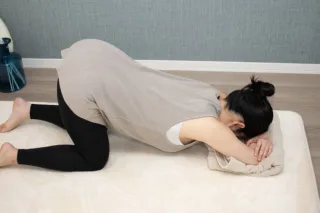
Pelvic floor exercises play a vital role in maintaining the health and strength of the pelvic floor muscles during pregnancy.
Prenatal yoga, Kegels, modified exercises, and relaxation techniques can all assist in improving pelvic floor function and lessening discomfort in expectant mothers.
Additionally, it might aid in their labor and delivery preparation.
Remember, every pregnancy is unique, and it’s essential to consult with your healthcare provider before starting any exercise program.
They can provide personalized guidance and ensure that the exercises you choose are safe and suitable for your specific needs.
By prioritizing pelvic floor health during pregnancy, you can enhance your overall well-being and set the foundation for a healthier postpartum recovery.
When should I start doing pelvic floor exercises during pregnancy?
How often should I do pelvic floor exercises during pregnancy?
Are there any risks associated with doing pelvic floor exercises during pregnancy?
Can I continue doing pelvic floor exercises after giving birth?

Rupert Doyle
Rupert Doyle is a registered nutritionist (mBANT) and our lead health-and-wellness editor. He translates complex physiology and diet research into actionable plans, covering weight management, breathing, posture, and recovery. Every health claim is checked against primary clinical literature before publication.





Leave a Comment